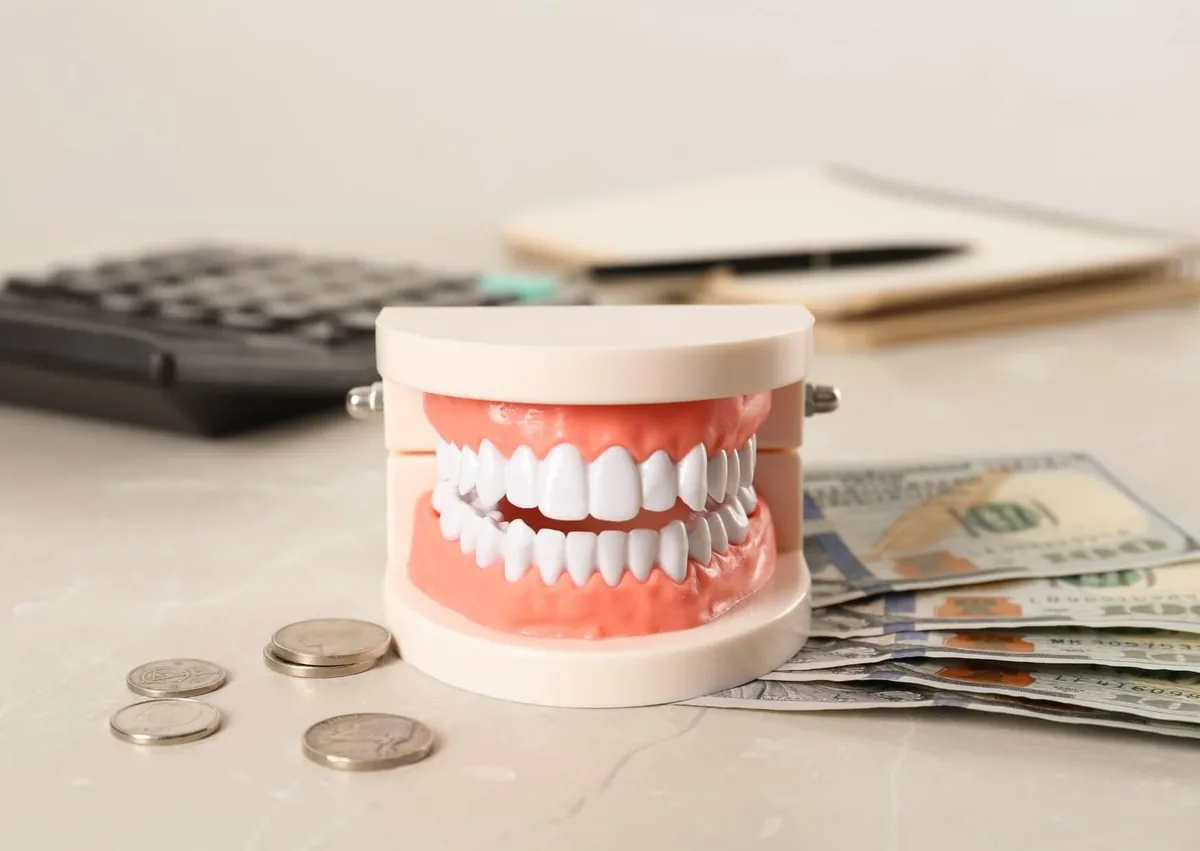
Cosmetic dentistry cost usually ranges from a few hundred dollars for whitening or small bonding repairs to several thousand dollars for veneers, crowns, aligners, or a more complete smile makeover. Your estimate depends on the treatment itself, how many teeth are involved, the condition of your teeth and gums, the materials used, and whether any part of the care overlaps with medically necessary treatment.
If discoloration, chips, or minor alignment concerns are shaping your choices, cosmetic dentistry can clarify realistic options and how they affect appearance and long-term costs. A brief consult at Oasis Smile Studio in High Point, NC focuses treatment priorities, expected longevity, and a written estimate to guide your decision.
The figures below are broad U.S. estimates, not quotes. Fees vary by region, clinician experience, laboratory costs, materials, case complexity, and what is included in the treatment plan.
|
Treatment |
Approximate Cost |
Common Use |
|---|---|---|
|
Professional teeth whitening |
$300 to $1,000 |
Lightening many natural teeth |
|
Dental bonding |
$300 to $800 per tooth |
Small chips, gaps, or shape changes |
|
Porcelain veneers |
$900 to $2,500 per tooth |
Color, shape, size, or spacing changes |
|
$3,000 to $8,000 total |
Mild to complex tooth movement |
|
|
Tooth-colored crown |
$1,000 to $2,500 per tooth |
Restoring and improving a weakened tooth |
|
Dental implants with crown |
$3,000 to $7,000 or more per tooth |
Replacing a missing tooth |
For more detail on implant pricing and what influences it, see cost of dental implants. If you are comparing crown materials and fees, review types of dental crowns.
A lower starting fee does not always mean a lower long-term cost. Bonding usually preserves more tooth structure and costs less than porcelain, but it may stain, chip, or need repair sooner than a well-planned veneer.
See teeth bonding cost for a closer look at bonding fees and longevity.
The number of teeth is only part of the estimate. Cost may also include records, digital scans, X-rays, photographs, temporary restorations, lab work, anesthesia, follow-up visits, and retainers or nightguards.
Materials and technical demands also matter. Matching one front tooth to nearby teeth can require detailed shade selection and custom lab work, while changing several teeth may require careful planning to keep the bite comfortable and stable.
Existing dental disease can change both the sequence and the total cost. Cavities, gum disease, infection, and unstable teeth usually need treatment before elective cosmetic work because covering a problem does not stop it.
Location, clinician experience, and laboratory quality also affect fees. A written estimate should explain what is included, what could change, and what future maintenance is likely.
A stained, chipped, or uneven tooth may seem like a small visual issue, but it can carry real emotional weight. Many people smile less, speak more cautiously, or feel distracted by one feature they notice every day.
Appearance also connects to biology. Cosmetic work should look natural, feel comfortable, and allow the teeth and gums to handle chewing forces and daily plaque buildup without creating new problems.
Some cosmetic changes can also signal underlying disease. A dark tooth may follow old trauma or nerve damage, while new spacing or teeth that look longer may point to gum disease or tooth movement.
Color changes across many teeth often come from coffee, tea, tobacco, aging, or normal variation. One gray or dark tooth, especially after an injury, should be evaluated before whitening because the cause may be different.
Small chips may come from one accident, but repeated chipping can suggest grinding or an uneven bite. Sensitivity, pain when biting, or a visible crack may mean the problem is not purely cosmetic.
Bleeding gums, bad breath, gum recession, or loose teeth can point to gum disease. Facial swelling, fever, uncontrolled bleeding, trouble swallowing or breathing, or severe worsening pain needs urgent dental or medical attention depending on severity.
The visit usually starts with a conversation about what the patient wants to change. That helps define whether the goal is a small repair or a broader plan and opens a practical discussion about budget, timing, durability, and comfort with changing natural teeth.
The exam checks enamel, old fillings, decay, cracks, gum health, tooth position, and bite. X-rays may be needed to evaluate roots, bone, hidden decay, or infection that cannot be seen directly.
Photos, scans, impressions, or a preview of proposed tooth shapes may help with more complex cases. If whitening, orthodontics, gum treatment, or restorative work should happen in a certain order, the dentist can explain that sequence before any irreversible treatment begins.
Several treatments can improve the same visible concern, but they are not interchangeable. In many cases, the most conservative option that can reliably meet the goal is worth considering first.
|
Concern |
Possible Pathway |
Important Tradeoff |
|---|---|---|
|
Generalized staining |
Professional whitening |
Conservative, but does not lighten fillings, crowns, or veneers |
|
Small chip or gap |
Bonding |
Lower cost and often little tooth removal, but may stain or chip |
|
Multiple color or shape concerns |
Veneers |
Durable appearance, but usually requires permanent tooth alteration |
|
Crowding or spacing |
Invisalign or braces |
Preserves tooth surfaces, but takes time and requires retention |
|
Weak or heavily restored tooth |
Crown |
Adds protection, but requires more tooth preparation |
|
Missing tooth |
Implant, bridge, or removable option |
Different surgery, maintenance, timing, and effects on nearby teeth |
Veneers are a significant cosmetic procedure. For geographic differences and pricing details, see veneers cost.
Whitening may make sense before bonding, veneers, or crowns because restorative materials do not bleach later. Orthodontic movement may also reduce or eliminate the need to remove healthy enamel for a faster visual change.
Patients can also choose no treatment or delay elective care after active disease is controlled. Cosmetic dentistry should follow informed preferences, not pressure to create a standardized smile.
Dental insurance usually does not cover treatment done only to change appearance. It may help with part of a crown, implant, or other restoration when the procedure is also medically necessary, but deductibles, annual maximums, waiting periods, exclusions, and frequency limits still apply.
Ask the office for procedure codes and a written treatment plan, then confirm benefits directly with your insurer. A predetermination can help estimate coverage, but it is not a guarantee of payment.
Payment plans, healthcare credit products, and phased treatment can make care more manageable. Before agreeing, review interest, fees, payment deadlines, cancellation terms, and exactly which services are included.
If you are considering orthodontics and want to understand how insurance may affect cost, read braces with insurance.
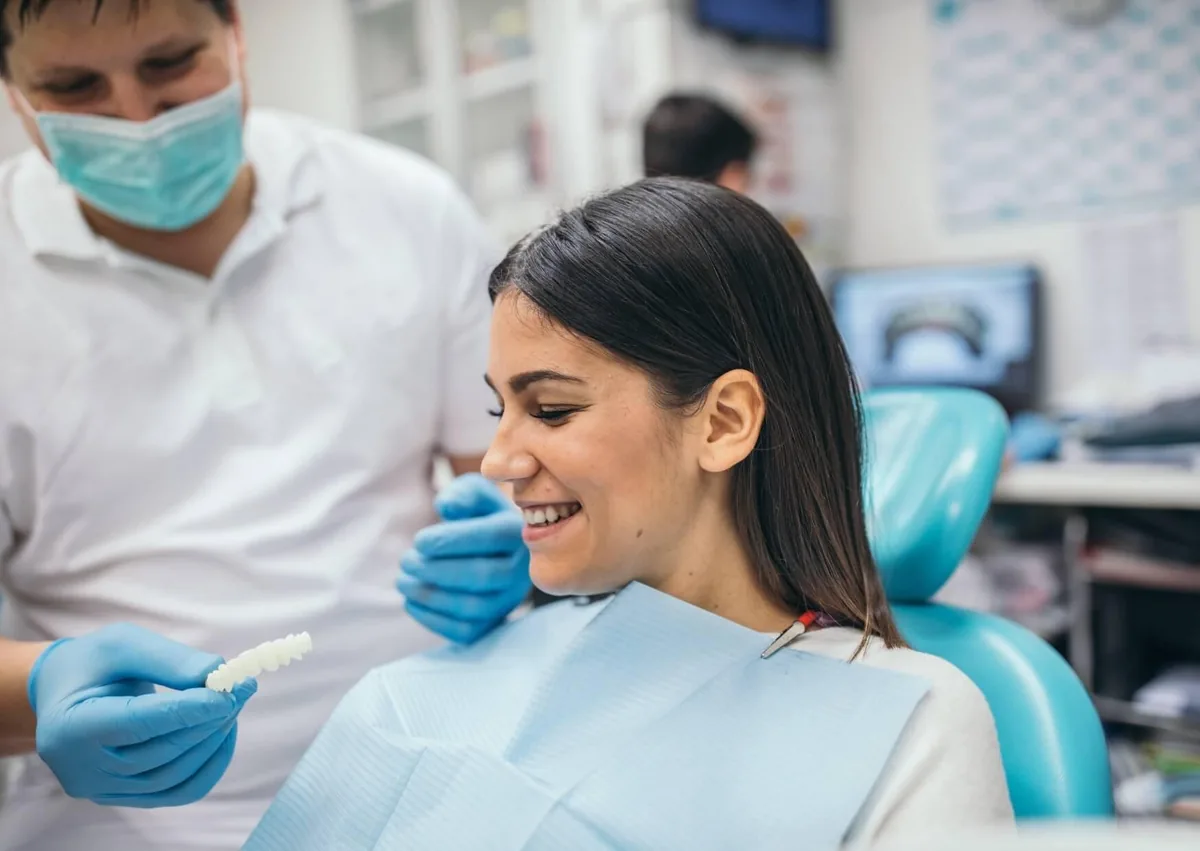
After the exam, patients should receive an explanation of the findings and the reasonable alternatives, including the option of no cosmetic treatment. A good plan explains likely longevity, maintenance, risks, number of visits, healing or adjustment time, and what may need replacement later.
It is reasonable to ask how much healthy tooth structure will be removed, whether the treatment is reversible, and what happens if a restoration chips or the gums recede. For extensive or irreversible treatment, a second opinion can be helpful.
The right plan balances appearance, health, predictability, and affordability. A careful exam turns a broad online price range into a personalized estimate that fits the patient's priorities.
If you're ready for a personalized estimate and clear treatment options, request a consult to review costs, sequencing, and likely maintenance. Oasis Smile Studio focuses on cosmetic dentistry in High Point, NC and serves Thomasville and Archdale; call (336) 885-9021 or book online to get started.
Purely elective cosmetic procedures are usually not covered. Insurance may contribute when treatment also restores function or treats disease, but each plan's rules determine payment.
For the right case, whitening or limited bonding often costs less than veneers or crowns. The least expensive safe option depends on whether the concern is color, shape, position, damage, or underlying disease.
Veneers often involve more planning, tooth preparation, temporary restorations, laboratory fabrication, and multiple visits. Bonding is usually shaped directly on the tooth in one visit, though it may need more polishing or repair over time.
Usually not. The dentist needs to assess oral health, treatment complexity, number of teeth, materials, and any preparatory care before giving a reliable estimate.
Whitening or bonding may take one or a few visits, while veneers and crowns often take several appointments. Aligners, implants, gum treatment, or more complex rehabilitation may take months, especially when healing or tooth movement is involved.