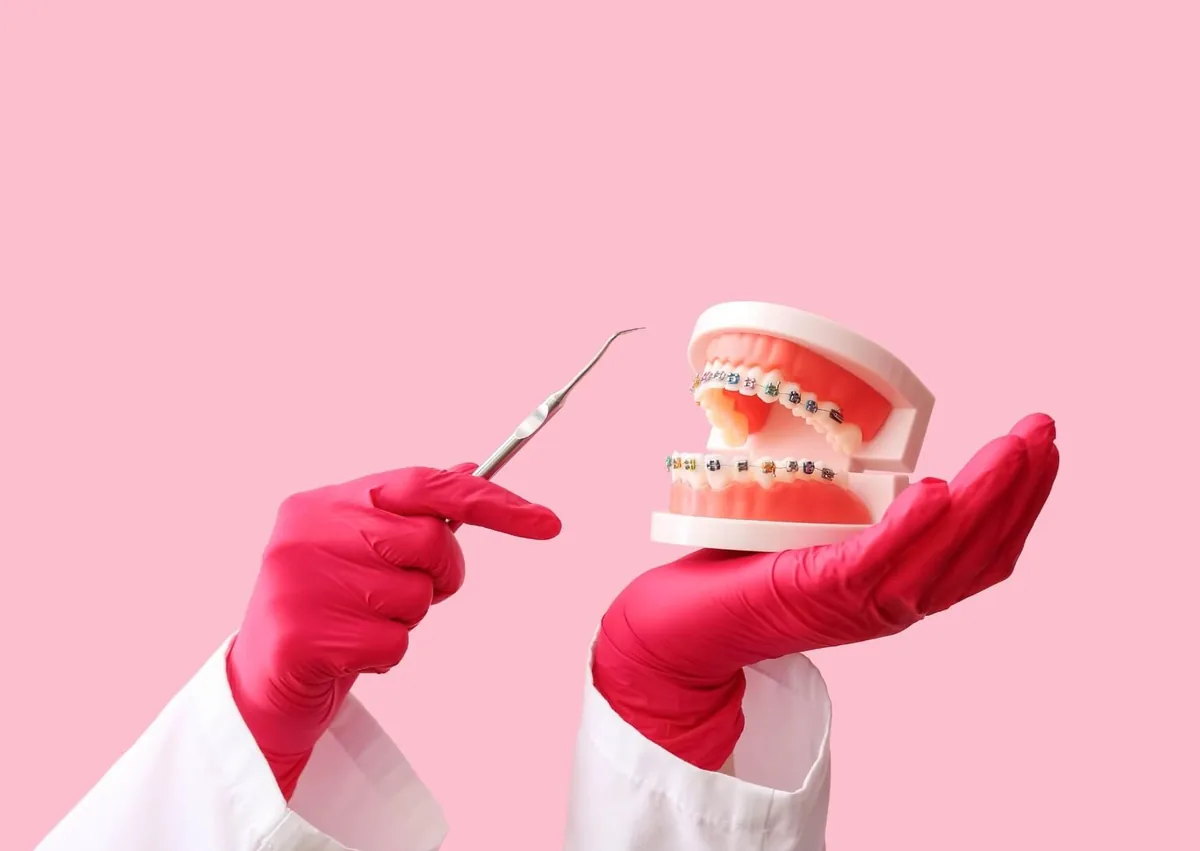
Braces with dental insurance often cost about $1,500 to $5,000 out of pocket, while treatment without orthodontic coverage commonly runs about $3,000 to $8,000 or more in the United States. The final amount depends on the type and complexity of treatment, local fees, and whether your plan pays a percentage of the fee or a fixed lifetime benefit.
If you are unsure when to bring a child in for evaluation, see our child's first dental visit guidance. The treatment fee may look straightforward, but terms like “50% coverage,” “lifetime maximum,” and “waiting period” often make the real cost harder to understand.
If you're trying to understand how insurance affects the out-of-pocket cost for braces and what to do next, a general dentistry consultation can clarify treatment needs and likely benefits. Oasis Smile Studio in High Point, NC will help you review estimates and policy limits so you know what costs to expect.
Many dental plans with orthodontic benefits cover a percentage of the allowed treatment cost, often up to a lifetime maximum. A plan may cover 50% of eligible charges, for example, but stop paying after it reaches a $1,500 or $2,000 lifetime limit.
That maximum usually applies to one insured person for the life of the plan, not once per year. On a $6,000 treatment plan, a $1,500 orthodontic maximum could leave about $4,500 for the patient, even if the policy describes insurance coverage as 50%.
These numbers are useful for planning, but they are not a quote. The dental or orthodontic office and the insurer still need to review the proposed treatment, network status, and policy details to estimate what you will owe.
Braces apply controlled pressure that gradually moves teeth through the supporting bone. As a tooth shifts, bone is remodeled around the root, which is why treatment takes time and needs regular monitoring.
Orthodontic treatment may be recommended for crowded teeth, spacing, protrusion, or an uneven bite. Some concerns mainly affect appearance and confidence, while others can make teeth harder to clean or lead to uneven wear, gum irritation, or trouble biting food. Patients focused mostly on appearance may also ask about cosmetic dentistry.
Crooked teeth do not always need treatment, and appearance alone does not show how well a bite functions. A dentist or orthodontist can explain whether treatment is elective, preventive, or important for oral function.
Crowding often looks like overlapping or rotated teeth. It can also create tight areas that are harder to brush and floss well.
Gaps may relate to tooth size, missing teeth, or jaw development. That is why closing every space is not automatically the right goal.
A deep bite, open bite, crossbite, or significant overjet describes how the upper and lower teeth meet. These patterns may cause no symptoms, or they may be linked with wear, gum trauma, speech concerns, or chewing difficulty.
Jaw clicking or facial pain does not automatically mean braces are needed, and orthodontics does not reliably fix every jaw-joint problem. Persistent pain, swelling, a sudden bite change, dental injury, or trouble opening the mouth should be evaluated promptly.
A general dentistry exam usually looks at the teeth, gums, bite, jaw growth or alignment, and the health of the supporting tissues. Digital scans or impressions, photographs, and X-rays may be used to assess tooth roots, bone, unerupted teeth, and available space.
Cavities and gum disease usually need treatment before braces begin because brackets and wires make plaque control more demanding. The clinician may also ask about past dental work, missing teeth, jaw symptoms, and your goals.
Treatment complexity is a major part of the fee. A simple alignment case may take less time than a bite problem involving impacted teeth, extractions, growth guidance, or coordination with another specialist.
For younger patients, simple devices like dental spacers for kids can be part of timing and space-management strategies.
Insurance does not always treat every appliance the same way. Some plans cover Invisalign or ceramic braces only up to the cost of standard metal braces, which can leave the patient paying the difference.
|
Treatment Option |
Typical Considerations |
Possible Insurance Issue |
|---|---|---|
|
Metal braces |
Durable and widely used for simple or complex movement |
Often treated as the standard covered option |
|
Ceramic braces |
Less visible brackets, but often cost more |
Cosmetic upgrade may not be covered |
|
Clear aligners |
Removable trays require steady daily wear |
Coverage may be limited or excluded |
|
Lingual braces |
Placed behind the teeth and highly customized |
Often costs more and may have limited coverage |
The least visible option is not always the best clinical choice. The orthodontist considers the type of tooth movement needed, bite correction, oral hygiene, daily habits, and whether removable trays are likely to be worn as directed.
Orthodontic coverage is separate from routine dental benefits in many plans. A policy may cover cleanings and fillings but exclude braces entirely, especially for adults.
Before treatment, check these points:
Orthodontic benefits are often paid in installments over the course of treatment rather than in one lump sum. If employment or insurance changes before treatment ends, future payments may stop, even if coverage was active when braces were placed.
A pretreatment estimate can help, but it is not a guarantee of payment. Final coverage depends on eligibility and policy terms when each claim is processed.
Ask whether the quoted fee includes records, appliances, adjustment visits, emergency repairs, brace removal, and retainers. Extractions, cavity treatment, gum treatment, replacement retainers, and some imaging may be billed separately.
Health savings accounts and flexible spending accounts may let you pay eligible orthodontic expenses with pretax dollars. Monthly payment plans can also spread out the remaining balance, though terms vary.
The most useful comparison is the total estimated out-of-pocket cost, not just the monthly payment. A written estimate should show the full treatment fee, expected insurance contribution, down payment, recurring payments, and likely separate charges.
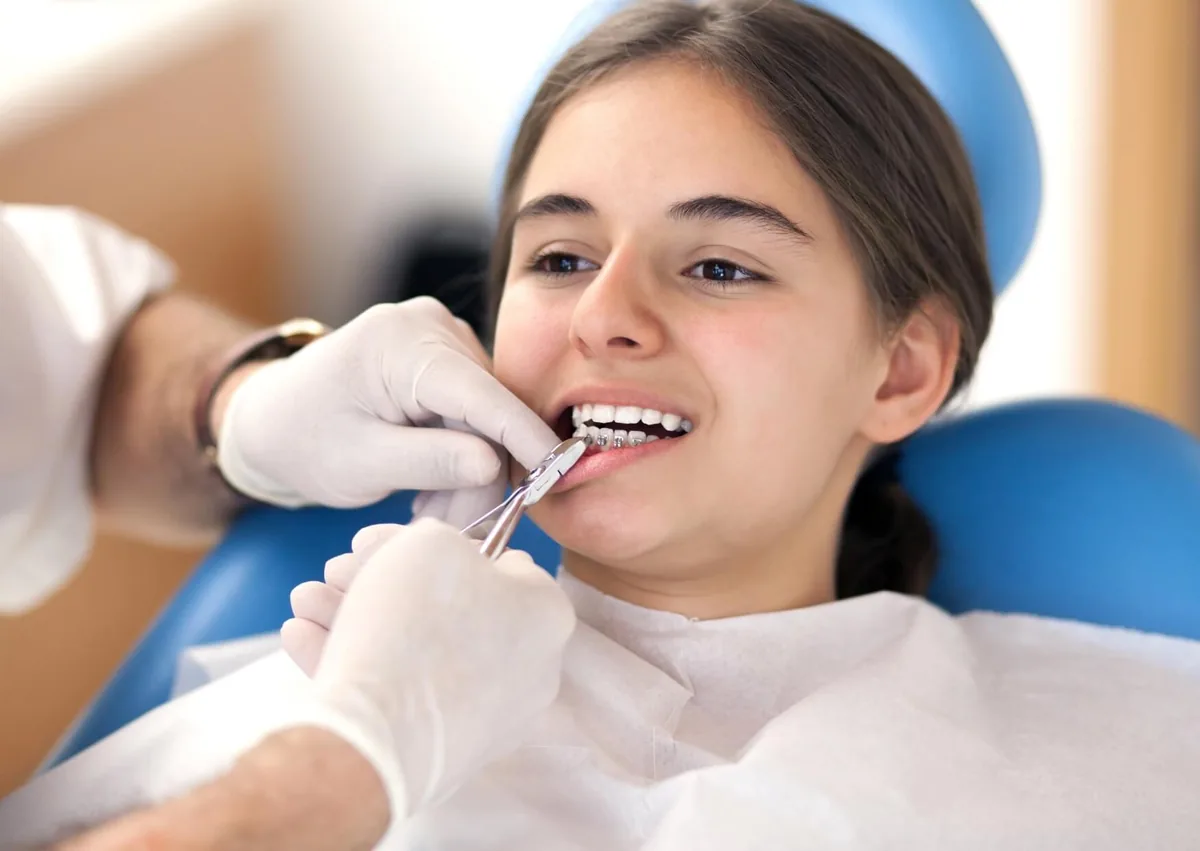
After the exam, the orthodontist usually explains the diagnosis, recommended appliance, estimated treatment time, alternatives, and risks. A financial coordinator may then verify benefits and explain how the insurer is expected to pay.
Treatment often lasts about 12 to 30 months, though simple cases may be shorter and complex cases may take longer. Follow-up visits are needed to guide tooth movement, and retainers are usually required afterward to reduce the chance of shifting.
It is reasonable to pause before signing anything and ask for both the treatment plan and financial agreement in writing. Clear answers about goals, included services, insurance limits, and long-term retention can make the decision feel much easier.
Arrange a general dentistry visit for a pretreatment estimate so you know expected out-of-pocket costs. Call Oasis Smile Studio for general dentistry in High Point, NC and nearby Thomasville at (336) 885-9021 to schedule.
Some plans do, but adult orthodontic coverage is less common than coverage for dependent children. Review the age limits, exclusions, waiting period, and lifetime maximum rather than assuming routine dental coverage includes braces.
Usually not. It is generally the most the plan will pay for orthodontic care for one covered person under that policy.
Possibly, if a patient has dual coverage. Coordination-of-benefits rules decide which plan pays first, and the combined payment usually cannot exceed eligible charges or each plan's limits.
Coverage may be reduced or unavailable for treatment already in progress. Ask the new insurer about work-in-progress provisions and request the answer in writing when possible.
Sometimes the first set is included, but office fees and policies vary. Ask whether initial and replacement retainers are part of the written estimate and whether insurance contributes to them.