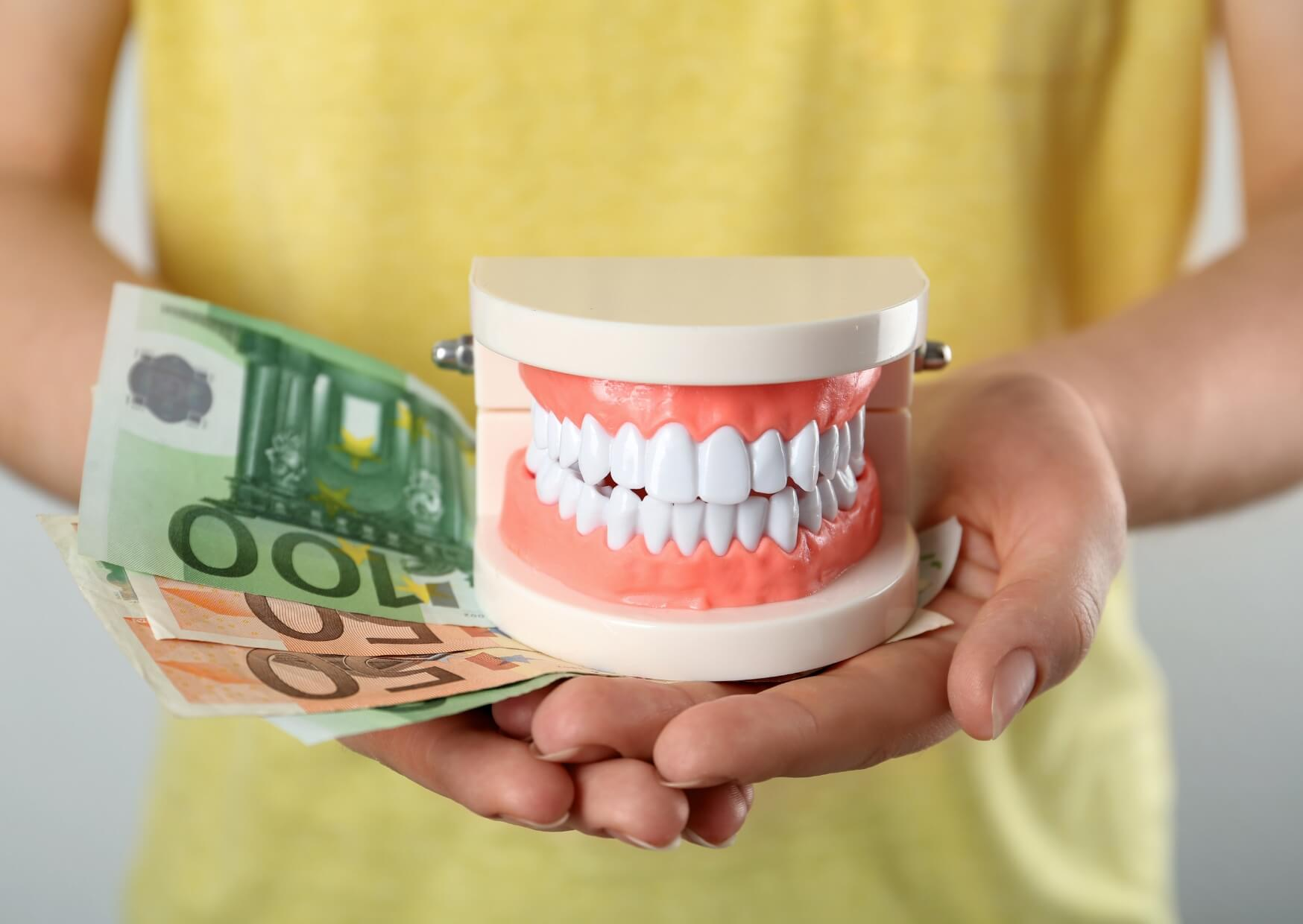
A patient may first notice that one front tooth looks darker, chipped, or slightly uneven in photos. The next search is often practical: veneers cost by location, because pricing in downtown Manhattan will not look the same as pricing in suburban Ohio or a smaller city in Texas.
That difference is real, but it is not only about geography. Veneer pricing often reflects lab quality, dentist experience, local overhead, case complexity, and whether treatment involves one tooth or a full smile zone.
Oasis Smile Studio in High Point, NC offers veneers and cosmetic dentistry services and can provide the kind of personalized, location-aware care described above.
The same veneer material can cost more in one zip code than another. Rent, staffing, lab partnerships, and local demand all affect the final fee.
In large metro areas such as Los Angeles, Miami, Chicago, or New York City, cosmetic dentistry fees are often higher. Practices in these markets may have higher operating costs, and some also work with premium ceramists who handcraft porcelain restorations.
In smaller cities or suburban areas, veneer fees may be lower. Lower cost does not automatically mean lower quality, though, just as a higher fee does not always mean better care.
A useful way to think about veneers cost by location is this: geography changes the baseline, but treatment design usually matters more than the map alone.
Prices vary widely, and offices may quote veneers per tooth or as part of a larger cosmetic plan. In many U.S. markets, veneers cost somewhere between about $1,000 and $2,500 or more per tooth for porcelain, while composite veneers or bonding-based cosmetic reshaping may cost less, similar to some uses of composite fillings.
These are broad educational ranges, not guarantees. A patient with bite wear, old fillings, gum contour concerns, or a need for multiple matching restorations may receive a very different estimate.
| Location Type | Common Pricing Pattern | What May Be Driving The Cost |
| Major coastal city | Often at the higher end | Higher rent, premium labs, cosmetic demand |
| Large inland metro | Mid to high range | Urban overhead, advanced cosmetic work |
| Suburban area | Moderate range | Lower overhead, variable lab choices |
| Smaller city or town | Lower to moderate range | Lower operating costs, fewer boutique cosmetic practices |
A quote should always be read in context. A lower fee may not include imaging, temporaries, gum shaping, or follow-up adjustments, while a higher fee sometimes includes a more complete cosmetic process.
Patients are often surprised that veneer fees are not always all-inclusive. One office may quote only the restoration itself, while another includes records, digital smile planning, temporary veneers, and review visits.
A veneer estimate may include:
If a quote seems unusually low, it is reasonable to ask what is not included. That question often reveals the real comparison.
Veneers can work well for teeth that are discolored, chipped, worn, mildly misshapen, or uneven in size. They may also help close small spaces or improve symmetry when the bite is stable and the underlying tooth is healthy.
They are not the best answer for every cosmetic concern. If a tooth has active decay, a large fracture, untreated gum disease, or significant grinding, the dentist may recommend addressing those issues first with restorative care, such as crowns or dental implants.
In some cases, a more conservative option makes more sense. Whitening, enamel reshaping, orthodontic treatment such as Invisalign, or cosmetic bonding may achieve the goal with less tooth alteration and lower cost.
That is why a cosmetic consultation should begin with diagnosis, not sales language. Good veneer planning protects the tooth first and improves appearance second.
A real veneer estimate usually takes more than a quick glance. The dentist needs to understand how the teeth function, how the smile appears at rest and in motion, and whether the gums and enamel can support long-term bonding.
The exam may focus on:
If there is jaw tension, heavy wear, or repeated chipping, the office may discuss bite-related risk factors before cosmetic treatment. Some situations may even be considered contraindicated until underlying problems are treated.
That can affect both the treatment plan and the long-term value of the investment.
Many patients hope to fix just one front tooth. That is reasonable, but matching one veneer to neighboring natural teeth can be more technically demanding than placing several veneers together.
With a single veneer, the dentist and lab must closely match shade, translucency, surface texture, and light reflection. Small differences are easier to notice in the front of the mouth.
When several front teeth are treated at once, the total cost is higher, but the smile design may be more predictable. The result can look more balanced because the dentist is not trying to make one restoration disappear next to teeth with different wear or color variation.
Price matters, but it should not be the only filter. A few focused questions can quickly show whether an office is planning carefully or simply quoting a cosmetic product.
Useful questions include:
Patients do not need technical dental knowledge to ask smart questions. A clear explanation is often a sign of careful treatment planning.
A cosmetic concern can sit on top of a medical problem. Pain, swelling, gum bleeding, loose teeth, temperature sensitivity, or a tooth that recently changed color should be examined before any veneer plan moves forward.
Urgent evaluation is especially important if there is facial swelling, pus, fever, trauma, or severe pain that disrupts sleep. These signs may point to infection, nerve injury, or fracture, and cosmetic treatment should wait until the tooth is properly diagnosed.
If an office is willing to place veneers without addressing obvious disease or instability, that is a reason to pause. Healthy foundations matter more than fast cosmetic treatment.
After the exam, the office may provide one or more treatment options. Some patients learn that veneers are a good fit, while others are better served by whitening, orthodontics, bonding, crowns, or staged treatment.
If veneers are appropriate, the next step is often records and smile planning. That may include photographs, digital scans, and a discussion about shape, brightness, and how natural or polished the final result should look.
The best cosmetic plans feel calm and specific. Patients should leave understanding the reason for the recommendation, the expected cost range, and what the process will involve before deciding whether to move forward.
Oasis Smile Studio in High Point, NC provides veneers and cosmetic planning for patients from nearby Greensboro and Winston-Salem; call (336) 885-9021 to schedule a consultation.
Large cities often have higher rent, staffing costs, and lab fees. Some urban cosmetic practices also use highly customized porcelain work, which can raise the total price.
Sometimes, but follow-up matters. Veneers may need review visits, bite adjustments, or future maintenance, so convenience and continuity of care should be part of the decision.
Not always. Porcelain is often more stain-resistant and durable, but composite may be a reasonable option for smaller cosmetic changes or lower budgets.
Insurance often does not cover veneers when the goal is mainly cosmetic. Coverage may differ when a tooth has structural damage, but patients should confirm benefits directly with the plan and dental office.
Compare what is included, not just the number. Material, lab quality, dentist experience, records, temporaries, and follow-up can all change the value of the quote.