When someone notices a chipped front tooth in the mirror or a small gap that suddenly stands out in photos, the first question is often practical: how much is tooth bonding?
In most U.S. dental offices, bonding costs about $300 to $600 per tooth, though the fee can be lower or higher depending on how small or complex the repair is, the dentist’s experience, and local pricing. Cosmetic bonding is also often not covered by insurance, so it helps to compare it with other cosmetic dentistry options when planning treatment.
A small chip can feel minor medically but still feel big emotionally. For many people, bonding appeals because it can improve a visible tooth in one visit without removing much natural tooth structure.
If you're wondering whether a chip, gap, or uneven edge can be improved conservatively, cosmetic dentistry may offer a simple path forward. Oasis Smile Studio in High Point, NC helps patients understand realistic bonding results, shade matching, and whether treatment fits their goals before any work begins.
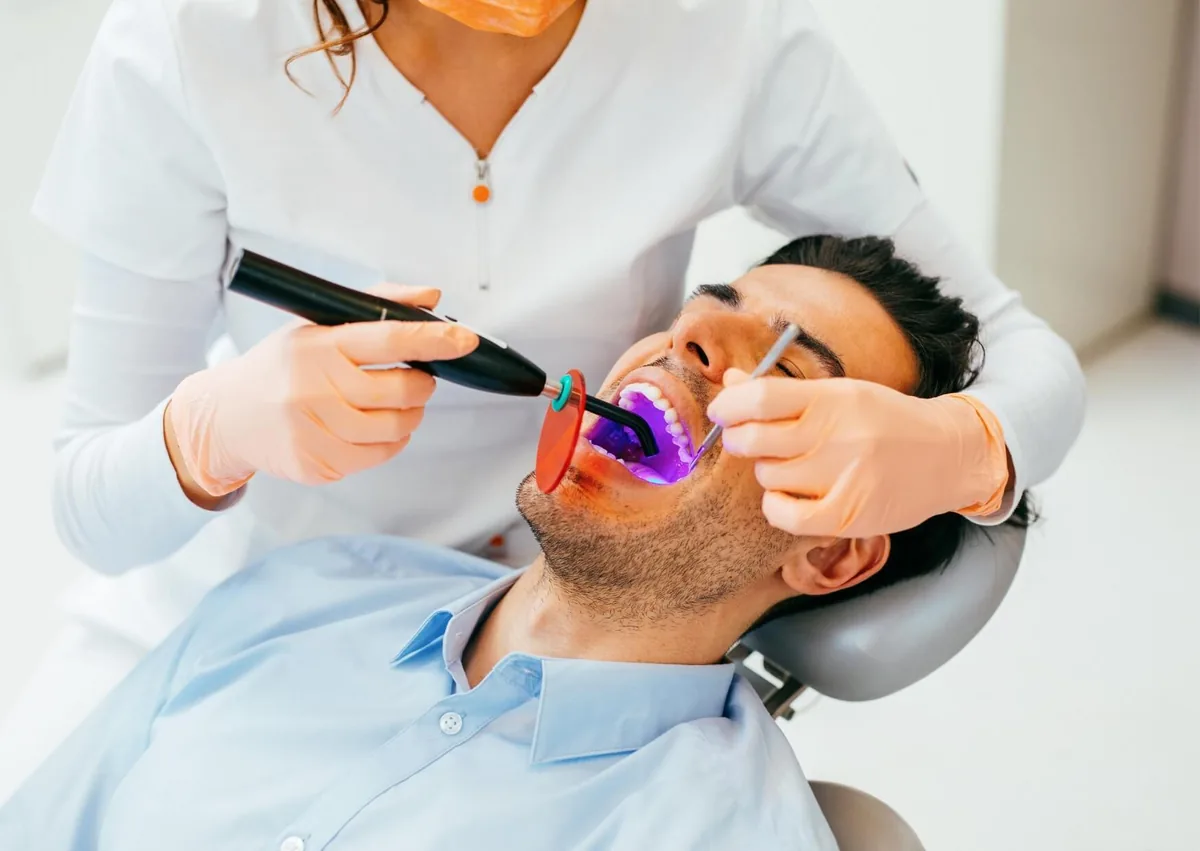
Teeth bonding uses a tooth-colored composite resin, similar to the material used for composite fillings. The dentist matches the shade, prepares the tooth surface, shapes the resin, hardens it with a curing light, and polishes it to blend with nearby teeth.
Bonding can repair small chips, close minor spaces, improve tooth shape, cover localized discoloration, or protect a small exposed root area. It is usually best for limited changes rather than major rebuilding or correcting significant crowding.
Even when the concern seems cosmetic, the tooth’s health still matters. A chipped edge may leave rough enamel, expose dentin, or create a weak spot that can break further, and visible changes can also affect confidence in everyday conversations and photos.
The final price depends on how much work each tooth needs. A tiny edge repair usually costs less than reshaping a tooth, replacing old bonding, or rebuilding a larger broken area.
Common cost factors include:
Ask whether the estimate includes the exam, imaging, the bonding procedure, polishing, and any follow-up adjustment. A complete written estimate is usually more helpful than comparing a single advertised price.
Dental insurance may help when bonding restores damage from decay, injury, or lost tooth structure. When the purpose is only to change shape, spacing, color, or appearance, insurers often classify it as cosmetic, and Insurance usually doesn't cover that type of treatment.
Coverage rules vary by plan. Deductibles, annual maximums, waiting periods, and exclusions can all affect what you actually pay.
Some offices can submit a pre-treatment estimate, but that is not a guarantee of payment. If treatment is not covered, patients may want to ask about payment plans, third-party financing, or whether HSA or FSA funds may apply.
A chip that does not hurt may involve only enamel, the hard outer layer of the tooth. Sensitivity to cold, sweets, or pressure can suggest exposed dentin, decay, a cracked tooth, or irritation closer to the nerve, so bonding should not be chosen on appearance alone.
Darkening, swelling, spontaneous pain, a pimple-like bump on the gum, or pain that lingers after hot or cold can point to a deeper problem. Prompt dental evaluation is important if pain is severe, swelling is spreading, bleeding will not stop, or the tooth was loosened by trauma.
If there is facial swelling, fever, trouble swallowing, or trouble breathing, seek urgent care right away. For time-sensitive dental problems, emergency dentistry may be the more appropriate next step than cosmetic repair.
The dentist looks at the enamel, gums, tooth color, existing fillings, and how much healthy tooth structure is available to support the resin. Bite pressure matters too, because heavy contact, grinding, nail biting, or chewing ice can make bonding chip or wear sooner.
X-rays may be recommended if there is concern about decay, trauma, the root, or the bone around the tooth. For cosmetic changes, the dentist also considers whether the desired shape and shade can be achieved predictably with composite resin.
If there is active decay, gum inflammation, or a significant bite issue, that usually needs attention first. A large fracture or deep crack may need a stronger restoration instead, so restorative dentistry may be recommended when bonding is not enough.
Bonding is conservative, repairable, and often completed without numbing when only the enamel surface is treated. It also usually costs less upfront than porcelain veneers or crowns, though composite resin can stain, lose polish, or chip over time; for comparison, see veneers cost.
A veneer covers the front surface of a tooth and may offer better long-term color stability for some cosmetic goals. It generally costs more and often requires some enamel removal.
A crown covers much more of the tooth and is usually used when substantial structure has been lost, not for a tiny chip. If spacing or alignment affects several teeth or the bite, orthodontic treatment may make more sense than bonding alone.
Whitening can also affect planning. Products such as teeth whitening strips can lighten natural teeth, but existing bonding will not whiten, so whitening is often done before final shade matching if both treatments are planned.

For a straightforward repair, the dentist usually conditions the tooth surface, applies an adhesive, adds resin in layers, then shapes and polishes the result. Many visits take about 30 to 60 minutes per tooth, though larger or multiple-tooth cases can take longer.
Most patients return to normal activities right away. Mild sensitivity or a bite that feels slightly different can happen at first, but a sharp edge, persistent discomfort, or a bite that feels too high should be checked.
Bonding may last between three and 10 years, though longevity depends on the size and location of the repair, bite forces, habits, diet, and home care. Brushing with fluoride toothpaste, cleaning between teeth, keeping regular dental visits, and avoiding using bonded teeth to open packages can help protect the result.
The next step is usually simple: an exam and an itemized estimate based on the actual tooth. That visit helps confirm whether bonding will solve the visible concern and whether the tooth is healthy enough for a lasting result.
The most useful next step is an examination and an itemized estimate based on the actual tooth; cosmetic dentistry helps confirm whether bonding or another option will best meet your goals and timing. Oasis Smile Studio offers cosmetic dentistry in High Point, NC and serves nearby Archdale and Thomasville; call (336) 885-9021 or book online to get started.
Usually, yes. Bonding often has a lower initial cost because it uses composite resin and usually requires less tooth preparation than porcelain veneers.
Many small repairs can be completed in one appointment. Multiple teeth, complex shade matching, underlying decay, or bite concerns may require more time or another visit.
Bonding limited to enamel is often comfortable and may not require numbing. Anesthetic may be used if decay is removed, a sensitive area is treated, or the repair extends deeper into the tooth.
There is no fixed schedule. Bonding can remain in good shape for years, but staining, chipping, edge wear, or changes around the restoration may lead to repair or replacement sooner.
Whitening products change natural tooth color but do not lighten existing composite resin. If your natural teeth become whiter later, the bonding may need polishing or replacement to match.