Gummy smile treatment works best when it matches the reason more gum shows during smiling. Depending on the cause, a dentist may recommend gum contouring, orthodontic care, treatment that reduces upper-lip movement, or jaw-related treatment after evaluating the teeth, gums, lips, and facial proportions.
A common visit starts with a simple concern. Someone likes the color or shape of their teeth but notices in photos that their smile shows more gum than they expected. In many cases, this is a cosmetic concern rather than a disease. Treatment is optional unless there is inflammation, overgrowth, or another dental problem that needs care first.
If a gummy smile is affecting how you feel about your smile or you’re weighing cosmetic options, cosmetic dentistry can clarify which conservative adjustments match your anatomy and goals. At Oasis Smile Studio in High Point, NC, our team focuses on tailored plans that preserve tooth support and natural proportions while prioritizing comfort and long-term gum health.
A gummy smile, also called excessive gingival display, means more gum tissue shows when you smile than you prefer. There is no single number that makes a smile abnormal, because facial proportions and personal preferences vary.
Several factors can cause this on their own or together:
Short-looking teeth are not always small teeth. In some people, a normal amount of tooth structure is simply hidden under gum tissue.
A gummy smile by itself is often harmless. Still, if the gums are swollen, tender, or bleed easily, the issue may involve gingivitis, medication-related enlargement, or another condition that should be treated before cosmetic changes are considered.
The emotional side matters too. Some people start covering their mouth, smiling less fully, or avoiding photos, and that concern deserves a thoughtful conversation without treating a natural smile as a flaw.
If your smile has looked the same for years, the cause is often anatomical or developmental. If the gum display is new, especially with puffiness, redness, soreness, or uneven tissue, it deserves closer evaluation.
Bleeding during brushing usually points to inflammation rather than simply having too much gum tissue. Gum enlargement can also be linked to plaque buildup, mouth breathing, hormonal changes, or certain medications, though medication should never be stopped without guidance from the prescribing clinician.
Seek prompt dental care if you notice rapid swelling, significant pain, pus, persistent bleeding, loose teeth, or a sore or lump that does not heal. Facial swelling, fever, trouble swallowing, or trouble breathing needs urgent medical or dental attention.
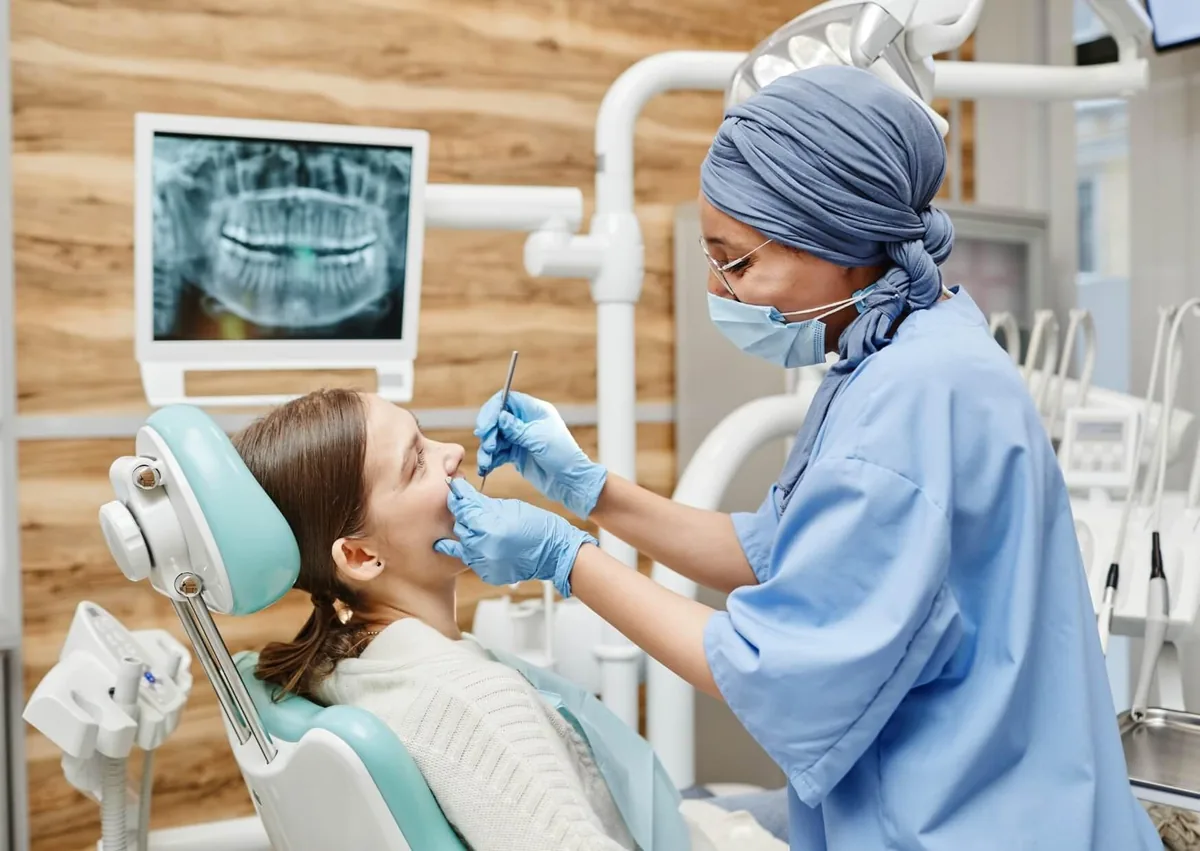
The first step is usually checking gum health. The dentist may measure gum pockets, look for inflammation, assess how much tooth structure is covered, and determine where the supporting bone sits beneath the gums.
They also look at lip position at rest and how far the upper lip rises during a natural smile. Tooth size, wear, bite, jaw proportions, and facial symmetry help show whether the main issue is the gums, tooth position, lip movement, or jaw structure.
Photos, digital scans, or X-rays may be part of planning. Depending on the findings, a periodontist, orthodontist, or oral and maxillofacial surgeon may also be involved.
Treatment can range from no treatment at all to coordinated specialty care. The goal is to improve smile balance while protecting healthy gums, stable bone support, comfortable function, and natural tooth proportions.
|
Treatment Pathway |
May Be Considered When |
General Expectations |
|---|---|---|
|
Gum disease treatment |
Tissue is swollen or enlarged from inflammation |
Health is restored before cosmetic decisions are made |
|
Gingivectomy or gum contouring |
Extra gum tissue covers the teeth without major bone adjustment |
Tissue is reshaped; healing and sensitivity vary |
|
Crown lengthening |
Gum and supporting bone cover too much of the tooth |
Gum and sometimes bone are repositioned; healing takes longer |
|
Orthodontic treatment |
Tooth position or bite contributes to gum display |
Teeth move gradually over months or longer |
|
Lip-focused treatment |
Strong upper-lip movement is a major factor |
Effects and duration depend on the technique; some approaches are temporary |
|
Jaw surgery |
Vertical upper-jaw development is the primary cause |
Specialist-led surgery involves substantial planning and recovery |
Gum contouring can expose more of the natural tooth when excess gum tissue is the main issue. Crown lengthening is more involved because the clinician may also need to adjust the supporting bone so the new gumline stays healthy and stable.
That distinction matters. Removing tissue without checking bone levels can lead to regrowth, persistent inflammation, exposed roots, or a result that looks unnatural.
Braces or clear aligners such as Invisalign may help when tooth position, eruption, or the bite contributes to excess gum display. In selected cases, controlled tooth movement can improve the smile line without removing healthy gum tissue.
Bonding, veneers, or crowns may improve tooth shape, but they should not be used to hide an undiagnosed gum or jaw problem. Restorative dentistry works best when there is enough healthy tooth structure and the final proportions are carefully planned.
For more on crown choices and pricing, see types of dental crowns. For cost information related to orthodontics, see braces cost with insurance.
When the upper lip lifts strongly, treatment may focus on reducing that movement or repositioning the lip. Some injectable approaches use muscle relaxation and are temporary, so repeat treatment may be needed.
If the upper jaw has excessive vertical height, jaw surgery may be the most appropriate option. This is usually reserved for significant cases and requires careful planning with an orthodontist and oral and maxillofacial surgeon.
Before moving forward, ask which anatomical factor is being treated and whether the result is expected to be temporary or long-lasting. It is also reasonable to ask about alternatives, healing time, maintenance, and possible changes in tooth appearance.
Recovery depends on the treatment. Minor gum reshaping may involve short-term tenderness and a softer diet, while crown lengthening, orthodontics, or jaw surgery requires more follow-up and a longer healing period.
Results are usually best when the plan is conservative and based on the real cause.
The most effective treatment is not always the most aggressive one.
Choosing no treatment is also valid. If the appearance of your smile bothers you or your gums have changed, an exam can clarify what is cosmetic, what is biological, and which options fit your goals.
A focused evaluation can identify whether gum reshaping, crown lengthening, orthodontics, or restorative options will best meet your goals while protecting tooth support. Contact Oasis Smile Studio for cosmetic dentistry in High Point, NC and nearby Thomasville or Archdale to discuss options and schedule an appointment at (336) 885-9021.
Some treatments, such as properly planned crown lengthening or jaw surgery, can create long-lasting anatomical change. Injectable lip treatment is usually temporary, and gum reshaping may relapse if inflammation or underlying bone position was not addressed.
Comfort depends on the procedure. Local anesthesia is commonly used for gum treatment, and temporary soreness, swelling, or sensitivity may follow, while more extensive surgery involves a longer recovery and a more individualized pain-management plan.
Braces or clear aligners can help when tooth position, eruption, or the bite contributes to excess gum display. They are less likely to solve a gummy smile caused mainly by excess gum tissue, strong lip movement, or the vertical position of the upper jaw.
Cost varies widely based on the cause, the procedure, specialist involvement, and insurance coverage. Treatment for active disease or functional problems may be covered differently than treatment done only for cosmetic reasons, so a written estimate after an exam is the best guide.
Yes, in some cases. Recurrence is more likely when inflammation continues, tissue is reshaped without accounting for bone levels, orthodontic retention is not followed, or a temporary lip treatment wears off.