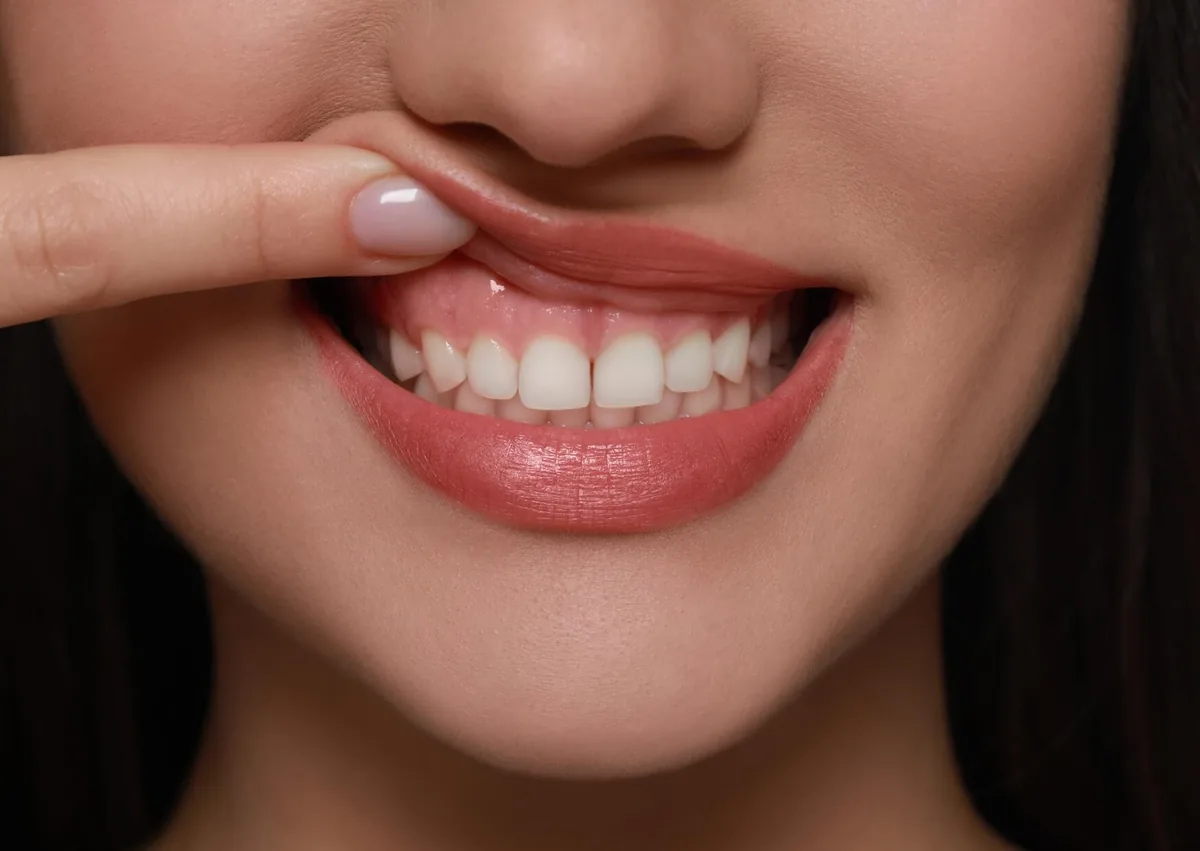
You may first notice it in a photo: one tooth looks shorter than the one beside it, or your smile shows more gum than you expected. Gum contouring reshapes the gumline by removing or repositioning a small amount of gum tissue, and it may help when excess or uneven tissue changes how the teeth look or limits access to healthy tooth structure for restorative dentistry, but a dental exam with general dentistry is needed first to confirm that the procedure is appropriate and safe.
For some people, the concern is cosmetic. Others hear about gum contouring only after a dentist explains that a filling, veneer, or crown may need more visible tooth structure, and they may discuss options with cosmetic dentistry as part of that decision.
If a gummy or uneven smile is making you hesitant to smile, cosmetic dentistry can clarify whether gum contouring or other smile-focused options are appropriate while prioritizing tissue health. At Oasis Smile Studio in High Point, NC, our team explains realistic outcomes and coordinates any needed preoperative care to protect your teeth and gum health.
The visible gumline is shaped by several factors, including tooth size, gum thickness, lip movement, jaw position, and the level of bone around each tooth. That means a high or uneven gumline is not automatically a health problem.
Gum contouring may be considered when excess tissue makes healthy teeth look short, when the gumline is asymmetrical, or when tissue blocks access for a filling, veneer, or crown. It can expose tooth structure that allows restorations such as composite fillings.
It is not the right answer for every smile that looks gummy. Teeth may also appear small because they are worn down, naturally short, or partly covered by the upper lip when smiling.
Gum contouring is different from treatment for gum recession. Receding gums expose more of the tooth or root, and removing more tissue can worsen sensitivity and appearance.
In those cases, the better next step may be monitoring, gentler brushing technique, periodontal treatment, or gum grafting. The right plan depends on why the gumline changed in the first place.
Healthy gums fit snugly around the teeth and usually do not bleed with gentle brushing or flossing. Redness, swelling, tenderness, persistent bleeding, bad breath, or pus can point to inflammation or infection that should be treated first; see what gingivitis is for more on common gum inflammation.
This matters because the gums and supporting bone protect the teeth and help create a stable seal around them. If too much tissue is removed, roots may become exposed, sensitivity can increase, and the gumline may heal in an unhealthy position.
The emotional side matters too. Feeling guarded about your smile can affect photos, conversations, and confidence, but treatment still needs to be based on healthy tissue and realistic expectations rather than pressure to make every tooth look identical.
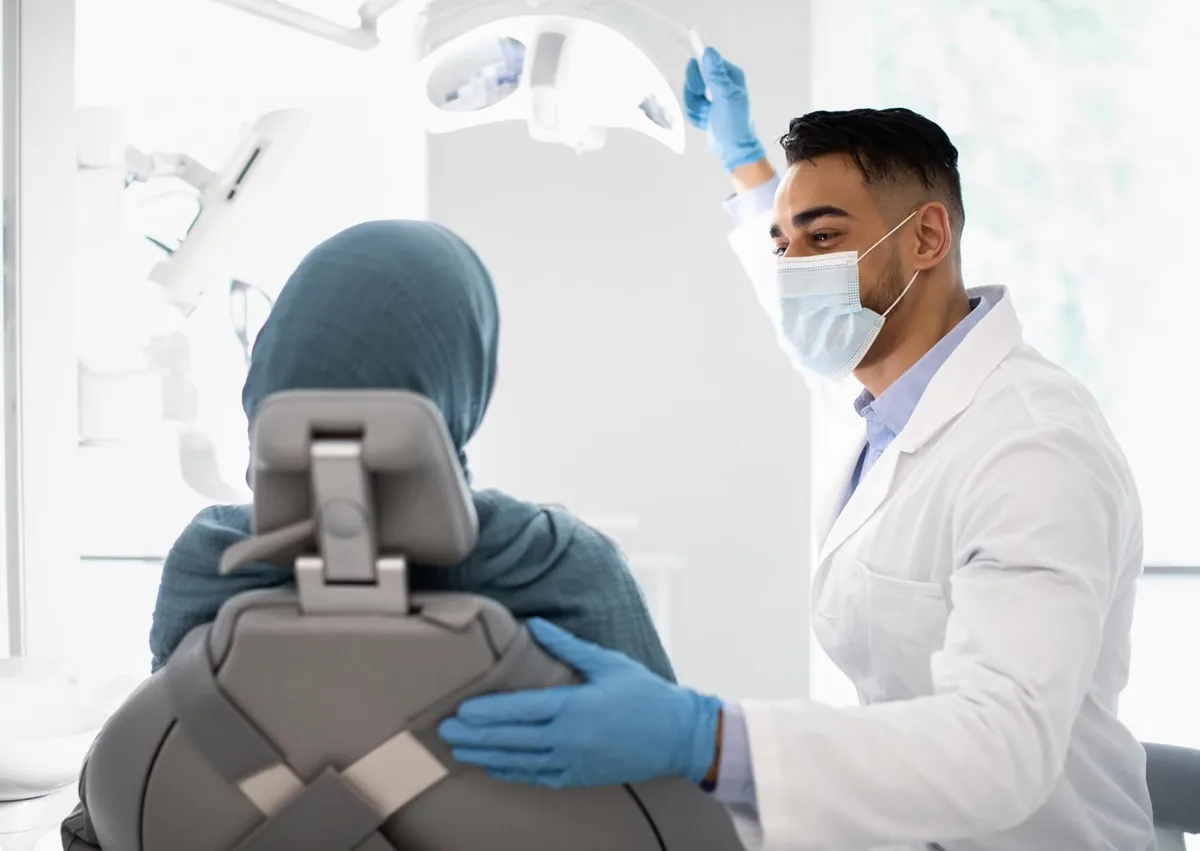
A dentist looks at tooth proportions, gum thickness, symmetry, bite, existing dental work, and how much the tooth shows when the lips are at rest and when you smile. Measurements around each tooth help show whether the gums are healthy and whether inflammation is present.
Dental X-rays may be needed to check root shape and bone levels. In some cases, the dentist or a periodontist evaluates the distance to bone before recommending treatment, because the tissue needs enough space to heal and attach in a healthy way.
The cause of the appearance guides the plan. Gum tissue that did not move to its expected position after eruption may respond well to contouring, while strong lip lift, tooth wear, or jaw proportions may call for a different discussion.
Gum contouring is usually done with local anesthetic to numb the area. The clinician may use a scalpel, laser, or electrosurgical instrument depending on the tissue, the goal of treatment, medical history, and available equipment.
Some cases involve only a small amount of soft-tissue reshaping. Others require crown lengthening, which may include adjusting both gum tissue and a small amount of supporting bone so the final gumline stays healthy and stable.
|
Treatment Pathway |
Common Purpose |
General Recovery Pattern |
|---|---|---|
|
Minor soft-tissue contouring |
Smooth an uneven edge or uncover a small amount of tooth |
Tenderness and swelling are often limited, with healing continuing over days to weeks |
|
Gingivectomy |
Remove excess or overgrown gum tissue |
The surface may feel sore while new tissue forms |
|
Crown lengthening |
Expose tooth structure for appearance or a restoration |
Healing is usually longer, especially if bone is adjusted |
|
Treat first, contour later |
Control gum disease or another active problem |
Timing depends on a stable, healthy response |
Results are often long-lasting when tissue is removed at the right level and the gums remain healthy. Changes can still happen later, especially if the original cause is not controlled or certain medications contribute to gum overgrowth.
After treatment, mild bleeding, tenderness, and swelling are common. Your dentist will explain how to clean the area, what foods to avoid for a short time, and when to return for a healing check.
Do not try to trim or change gum tissue at home. Cutting tissue or using unapproved chemicals can cause bleeding, burns, infection, permanent recession, and damage to the tooth's attachment.
Call the treating dentist promptly if bleeding does not improve with the recommended steps, swelling worsens, pain becomes severe, fever develops, pus appears, or a bad taste persists. Trouble breathing or swallowing, rapidly spreading swelling, or uncontrolled bleeding needs urgent medical care, including 911 when symptoms are severe.
The final gumline is not always obvious right away because the tissue needs time to settle. Before moving forward, it helps to ask what will be changed, whether bone adjustment is expected, what recovery limits apply, and what result is realistic for your smile.
Sometimes the most reassuring outcome is learning that gum contouring is not necessary. A careful exam should clarify whether the best next step is treatment, monitoring, or a different cosmetic or restorative approach.
To determine whether contouring or an alternative approach is best, a focused cosmetic dentistry consultation reviews gum health, the likely benefits, and any preparatory care. Call Oasis Smile Studio in High Point, serving Thomasville and Archdale, at (336) 885-9021 to schedule a cosmetic dentistry consultation.
Local anesthetic usually limits discomfort during treatment. Soreness afterward depends on how much tissue was treated and whether supporting bone was adjusted.
Results are often long-lasting, but stability depends on the procedure, gum health, tooth position, and the reason for excess tissue. A dentist can explain the chance of regrowth or future gumline changes in your specific case.
It may help when excess gum tissue covers otherwise normal tooth structure. If lip movement, jaw position, tooth wear, or tooth size is the main cause, contouring alone may offer limited improvement.
Early tenderness often improves within days, while the gums may continue maturing for several weeks. Crown lengthening that includes bone adjustment generally requires a longer healing period before the final result or restoration is completed.
Coverage varies by plan and by the reason for treatment. Procedures done only for appearance are often not covered, while treatment needed to restore a damaged tooth may qualify for partial benefits; a written estimate can help clarify expected costs.