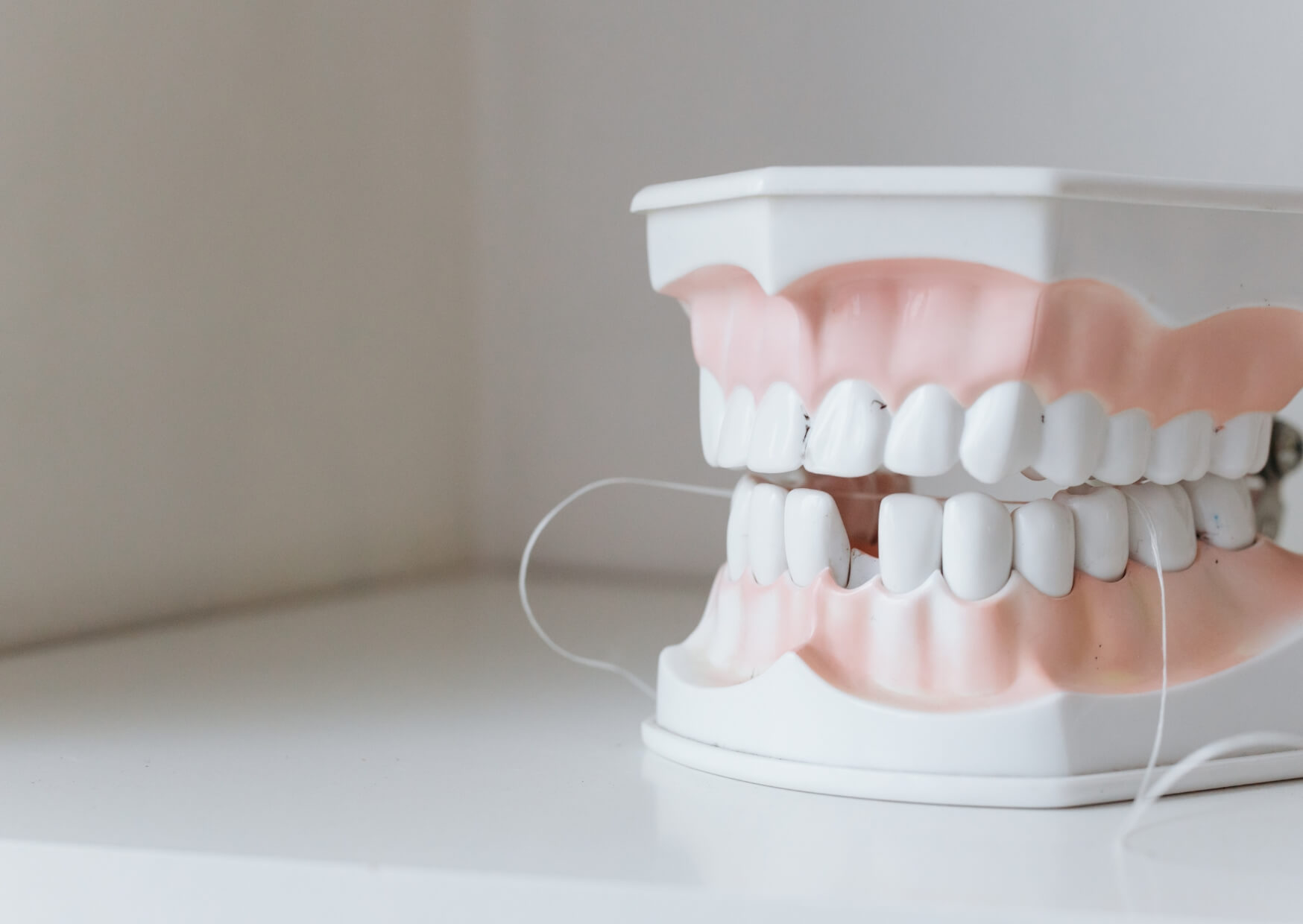
A cracked tooth does not always look obvious. Sometimes it appears as a thin vertical line, a dark line in the enamel, or a small split near the edge of a filling.
Just as often, a tooth looks almost normal but feels different when you chew. That is one reason people delay care until the pain becomes harder to ignore.
In many cases, the better clue is not what you see in the mirror but how the tooth behaves. Pain with biting, releasing pressure, or cold exposure can be more telling than appearance alone.
At Oasis Smile Studio in High Point, NC, we provide emergency dentistry services for people who notice sudden tooth changes or new dental pain.
A tooth is built to spread chewing pressure across a strong outer layer and a more sensitive inner center. When a crack forms, that pressure can focus on one weak area and irritate the pulp, which is the soft tissue inside the tooth with nerves and blood vessels.
That matters physically and emotionally. A tooth that hurts only once in a while can still be unstable, and the unpredictability often makes eating feel stressful.
A small-looking surface line does not always mean a small problem. Symptoms often reveal more than appearance does.
A cracked tooth often causes pain when biting down or when releasing your bite. That release pain can happen because the crack briefly opens and closes under pressure.
Other common symptoms include sensitivity to cold, discomfort with sweet foods, and pain that comes and goes. Some people say one tooth feels fine most of the day, then suddenly sends a sharp pain with one bite of bread, nuts, or a sandwich.
Not every cracked tooth causes constant pain. Sometimes the only clue is a vague sense that one tooth feels off, tender, or less dependable when chewing.
If you are trying to tell the difference between common types of tooth pain, our article on what a cavity feels like may help.
If a crack is visible, it may look like a fine hairline running up and down the tooth. It may appear white, gray, or slightly brown if stain has settled into the line.
You might also notice a small chipped corner, a rough edge, or an area that seems to shift slightly under pressure. Teeth with large fillings are more likely to crack because they have less natural tooth structure left to absorb force.
A crack near a filling or chewing cusp may be easier to notice than a deeper internal crack. A cusp is the pointed part of a back tooth used for chewing.
Many healthy adult teeth develop tiny surface lines called craze lines. These shallow enamel lines often happen with normal wear over time and may show up more clearly in bright bathroom lighting.
Craze lines usually do not cause pain and often do not need treatment. The problem is that it is hard to tell at home whether a line is harmless or whether it extends deeper into the tooth.
If you're concerned about decay between teeth, review signs of a cavity for more specific warning signs.
If a line is new, painful, darkening, or linked to chewing sensitivity, it should be checked. This is especially important after biting something hard, grinding, clenching, or facial trauma.
The exam starts with your symptoms. A dentist will want to know when the pain happens, whether cold triggers it, whether the pain is sharp or lingering, and whether anything specific started it.
Then comes a careful exam. This may include checking your bite, tapping the tooth, testing temperature response, and using a bite tool to see whether one area reproduces the pain.
Dental X-rays are useful, but cracks often do not appear clearly on an X-ray unless the damage has already affected nearby structures. X-rays are often better at showing indirect signs, such as bone changes, deep decay, or problems around the root.
Dentists may also use magnification, bright transillumination, or temporary separation techniques to find where the tooth is splitting. In some cases, an old filling has to be removed to fully assess the crack.
A superficial enamel craze line is the mildest type and often causes no symptoms. A cracked cusp usually affects one chewing section of a back tooth and may be treatable before the nerve is involved.
A deeper crack involving the inner tooth structure can cause biting pain and temperature sensitivity. If the crack reaches the pulp or extends below the gumline, treatment becomes more complex.
A split tooth is more advanced. At that point, parts of the tooth are separating, and saving the whole tooth may no longer be possible.
Treatment depends on what the dentist finds, not just what the tooth looks like. A small crack with mild symptoms may be monitored or restored, while a more unstable tooth may need stronger protection.
Common options include a bonded restoration, often using composite fillings, replacing a failing filling, or placing a dental crown to help hold the tooth together. Learn more about our restorative dentistry options.
If the crack has irritated or damaged the pulp, root canal treatment may be recommended before the tooth is crowned. If the crack extends too far below the gumline or into the root, extraction may be the safest option.
This is one reason prompt evaluation matters. Earlier cracks are often easier to manage than teeth that have been stressed for months, and understanding cavity formation time also shows how quickly dental problems can progress.

Seek prompt dental care if you have severe pain with biting, swelling of the gum or face, a bad taste that may suggest drainage, or pain that becomes constant. These signs may mean the tooth is not only cracked but also inflamed or infected.
A tooth that suddenly breaks further, becomes loose in one area, or causes strong lingering pain with hot or cold also deserves urgent attention. Swelling, spreading pain, or fever should be treated as a same-day concern when possible.
If you experience these signs, consider contacting our emergency dentistry team for assessment. Until the tooth is examined, avoid chewing on that side and avoid very hard foods.
If you are wondering what a cracked tooth looks like, the honest answer is that it may look obvious, subtle, or completely normal. Symptoms often tell the story more clearly than the mirror does.
Most patients feel better once the tooth is identified and the plan is clear. Even when treatment is needed, knowing whether the crack is superficial, restorable, or deeper usually replaces uncertainty with a practical next step.
If a tooth has started to feel sharp, unreliable, or sensitive in a repeatable way, scheduling an exam is the most useful next move. Our general dentistry services include exams and diagnostic steps to help determine the cause.
If you are experiencing severe or worsening symptoms, Oasis Smile Studio offers emergency dentistry in High Point, NC and serves patients from Archdale and Thomasville; call (336) 885-9021 to schedule.
No. Teeth do not heal the way skin or bone can.
Symptoms may come and go, but the structural damage usually remains and can worsen with chewing. For a similar perspective on decay, see our post on cavity heal itself.
No. Some lines are harmless craze lines in the enamel.
If the line is painful, new, or linked to biting sensitivity, a dentist should evaluate it.
Often, yes. The chance of saving it depends on how deep the crack goes, whether the pulp is involved, and whether it extends below the gumline.
No. Some cracked teeth cause intermittent symptoms, and others are found during an exam before significant pain develops.
That is part of what makes them easy to miss.
A chipped tooth usually means a piece has broken off the surface, often near an edge. A cracked tooth has a fracture line that can extend deeper and may cause pain with biting even when little is visibly missing.