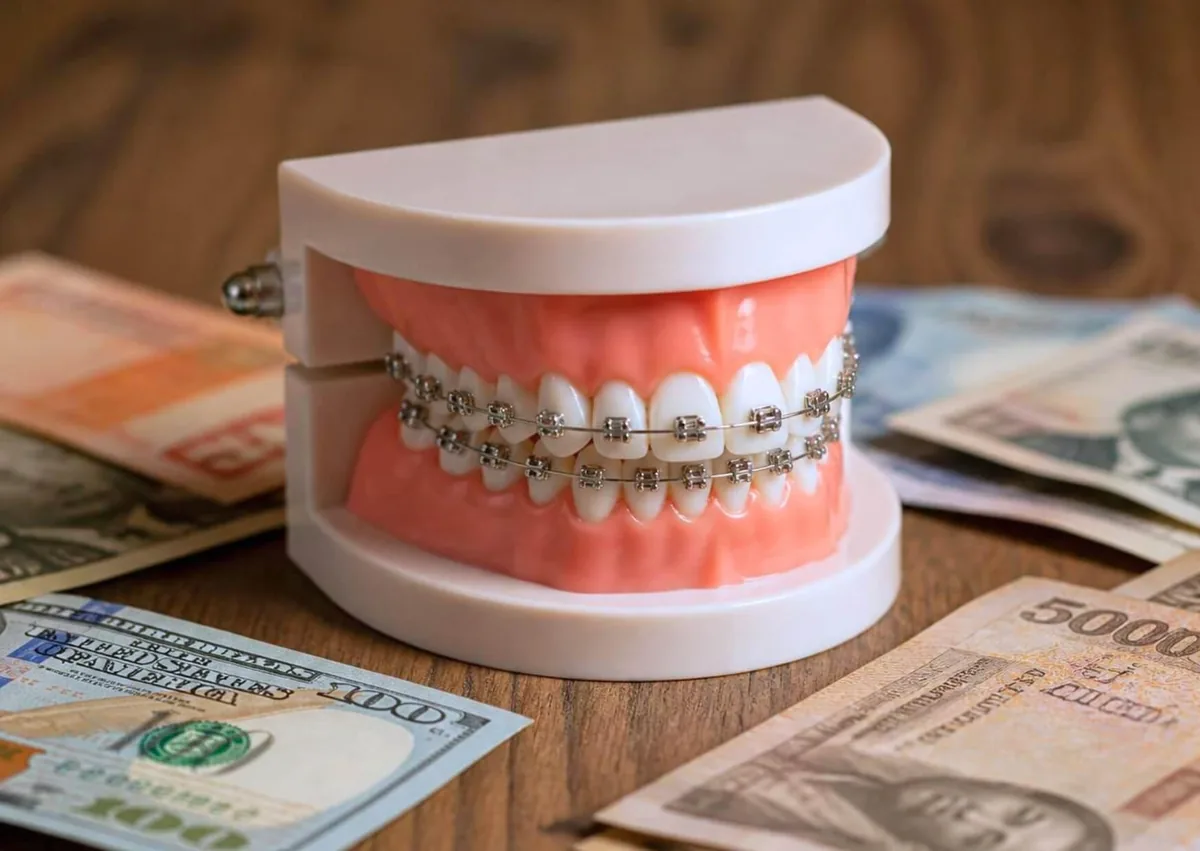
A parent looking over an orthodontic estimate or an adult comparing options often asks the same question first: how much do braces cost? In the United States, comprehensive braces treatment usually costs about $3,000 to $8,000, though shorter treatment or more complex cases can fall below or above that range.
That number matters because the fee is rarely just for brackets or aligners alone. The total can reflect records, visits, treatment length, retainers, insurance limits, and whether the case is simple or more involved.
If you're weighing discreet, removable options to avoid visible braces during treatment, Invisalign may be a practical alternative for many adults and teens. Oasis Smile Studio in High Point, NC helps patients evaluate whether Invisalign fits their goals and lifestyle with personalized exams and clear cost comparisons.
Different types of braces use different materials and treatment methods, so prices vary. These broad U.S. ranges can help with planning, but a personal exam is still the best way to get an accurate quote.
|
Treatment Option |
Approximate Total Cost |
Practical Considerations |
|---|---|---|
|
Traditional metal braces |
$3,000 to $7,500 |
Often the most economical fixed option and suitable for many bite problems |
|
Ceramic braces |
$4,000 to $8,500 |
Less noticeable but may cost more and can stain or break more easily |
|
Lingual braces |
$8,000 to $13,000 or more |
Attached behind the teeth; technically complex and not suitable for every case |
|
Clear aligners |
$3,000 to $8,500 |
Removable and discreet; success depends heavily on consistent wear; ask whether Invisalign is suitable for your case |
|
Limited treatment |
$2,000 to $5,000 |
Addresses selected concerns rather than the entire bite |
These are not guaranteed fees. Costs can change based on where you live, who provides treatment, and what is included in the plan.
Braces do more than make teeth look straighter. They apply steady pressure that gradually remodels the bone around the roots so teeth can move while the surrounding tissues adapt.
That process is biologic, gradual, and highly individual. A case with crowding, gaps, bite problems, impacted teeth, or difficult tooth movement usually needs more planning, more visits, and more time.
Patients with longer treatment, extra appliances, or care that involves oral surgery often pay more. Adults may also need added evaluation if they have crowns, gum disease, missing teeth, or reduced bone support.
Age can affect timing, but it does not automatically determine price. For early guidance, see our article on a child's first dental visit.
Many people first notice crooked teeth, spaces, or a smile that feels uneven in photos. Others notice practical problems, like food trapping between crowded teeth, cheek biting, uneven wear, or a bite that never feels fully comfortable.
Not every alignment issue means braces are necessary. Some concerns are mostly cosmetic, while others can make cleaning harder or place extra force on certain teeth over time.
There is also an emotional side to treatment. Feeling self-conscious about your smile can affect how freely you speak, laugh, or show your teeth, which is why treatment decisions should reflect both oral health and personal goals.
For patients focused mainly on appearance, orthodontic care is sometimes considered alongside cosmetic dentistry to improve color, shape, or overall smile balance.
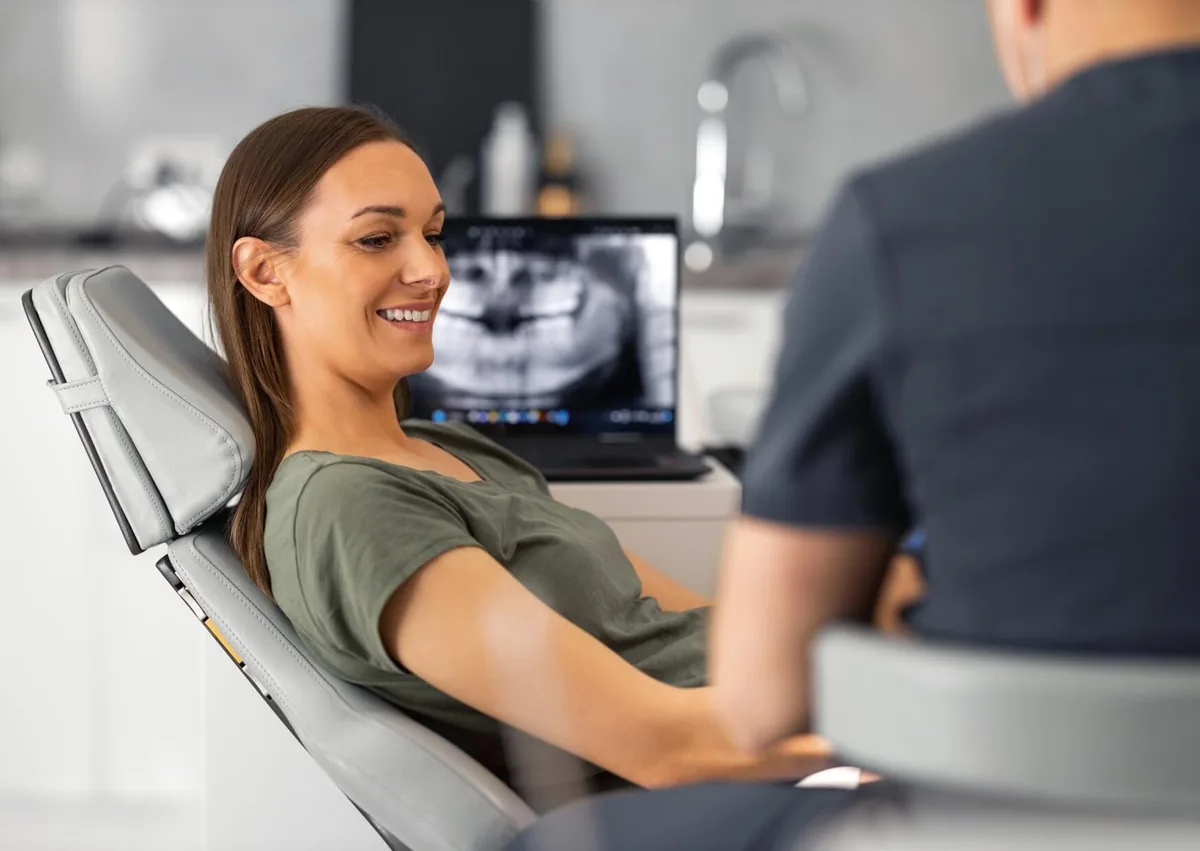
A braces consultation is not just a price discussion. The clinician checks how the teeth line up, how the jaws fit together, the health of the gums, and whether the roots and supporting bone look healthy enough for tooth movement.
Photos, digital scans or impressions, and X-rays may be part of the exam. These records help show whether the problem is mild, moderate, or complex and whether other treatment should happen first.
That matters because active cavities, gum inflammation, or weak bone support can complicate orthodontic care. Since braces and aligners make home cleaning more important, those issues are often addressed before treatment begins.
Your general dentistry provider may help coordinate cleanings, fillings, and referrals before orthodontic treatment starts.
Patients should also mention jaw clicking, locking, past dental injuries, gum disease, or teeth that feel loose. Severe pain, facial swelling, fever, or trouble swallowing should be evaluated promptly rather than waiting for a routine braces consultation.
Dental insurance may reduce the cost of braces, but benefits vary widely. Many plans use a lifetime orthodontic maximum, which means there is one total benefit amount instead of a yearly amount that renews.
Some policies only cover younger patients, require an in-network orthodontist, or have waiting periods. Others exclude treatment that has already started before the policy becomes active.
Medical insurance does not usually cover routine braces. In some cases involving congenital conditions, trauma, or jaw surgery, coverage may work differently.
Before starting treatment, ask for a written summary of covered percentages, age limits, waiting periods, and maximum benefits. For a closer look at this topic, read our guide to braces with insurance.
A low advertised fee does not always show the real total. One office may bundle everything into a single price, while another may list records, visits, repairs, removal, and retainers as separate charges.
Ask whether the estimate includes:
Other dental needs are often billed separately. That may include extractions, fillings, gum treatment, oral surgery, and routine cleanings.
A written total-fee agreement can make the financial commitment much easier to understand. It also helps patients compare offices more fairly.
Many offices offer monthly payment plans after a down payment. Health savings accounts and flexible spending accounts may also help with eligible orthodontic expenses, depending on current plan rules.
Dental schools and orthodontic residency programs sometimes provide lower-cost supervised care. That option can save money, though appointments may take longer and availability may be limited.
The monthly payment is not the same as the total price. Compare the full treatment fee, financing charges, included services, and missed-payment terms before agreeing to care.
Once the plan is approved, the orthodontist may recommend finishing any needed dental work first. After braces are placed or aligners are delivered, mild pressure and soreness are common for a few days.
Treatment usually involves regular follow-up visits and careful home care. Brushing well, cleaning between teeth, and avoiding foods that break brackets can help prevent delays.
Many patients wear braces for about 12 to 30 months, though limited treatment may be shorter and complex care may take longer. The timeline depends on how the teeth respond, how difficult the movement is, and how closely instructions are followed.
Retainers are usually part of the long-term plan because teeth naturally tend to shift after active treatment. Asking about retainer wear, replacement costs, and follow-up before treatment starts can prevent surprises later.
The most useful estimate connects cost to diagnosis, goals, and expected treatment time. A consultation should leave you with a clearer picture of both the clinical plan and the likely out-of-pocket cost.
To get a clear cost estimate and see if Invisalign matches your treatment goals, request a consultation and pretreatment estimate. Call Oasis Smile Studio about Invisalign in High Point, NC and nearby Thomasville or Archdale at (336) 885-9021 to schedule a visit or book online.
Sometimes, but not always. Clear aligners and metal braces often overlap in price, and the total usually depends more on case complexity, treatment length, and what the office includes.
Some offices offer free consultations, while others charge for the exam or records. Ask what is included and whether that fee is applied toward treatment.
Sometimes, but only in selected cases. Moving one arch without considering the full bite can create new problems, so both arches should be evaluated first.
They may be, but policies differ. Ask how many retainers are included, how long follow-up lasts, and what replacement will cost.
Not necessarily. Safety and quality depend on a proper exam, a clear diagnosis, appropriate supervision, and a plan to monitor the teeth, roots, gums, and bite throughout treatment.