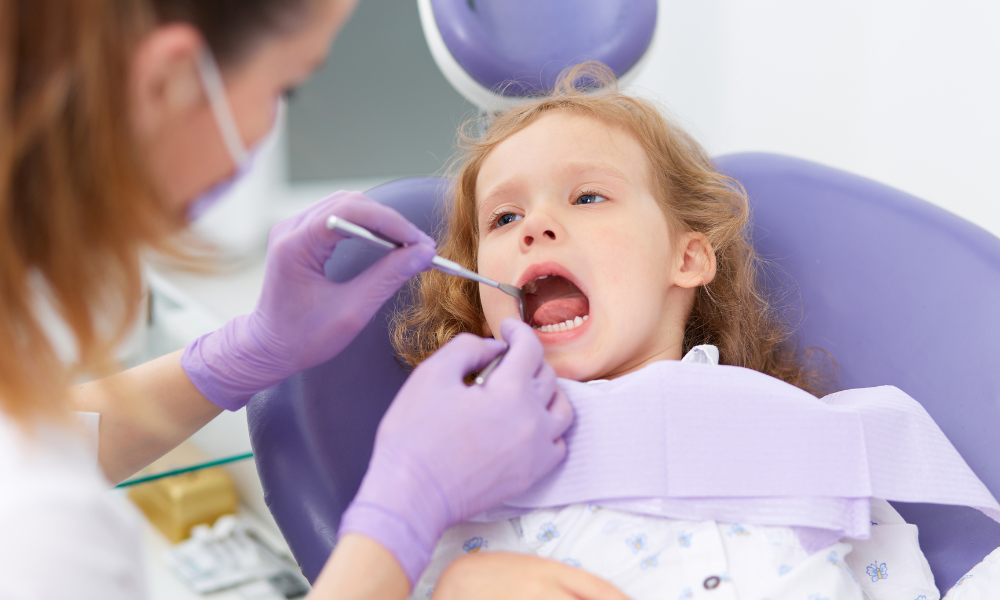
The right time to take your child to the dentist depends on tooth eruption, risk factors, and early behavior patterns. Most children benefit from a visit by age 1, but earlier or more frequent visits may be needed depending on feeding habits and oral changes.
At Oasis Smile Studio, early dental visits are designed to evaluate risk early and guide parents in building consistent oral care routines.
Quick Facts
- What it is: Timing guidance for a child’s first and early dental visits
- Who it is for: Parents of infants, toddlers, and young children
- Main benefits: Risk detection, habit formation, preventive care
- Limitations: Requires monitoring at home and follow-through
- Timeline / durability: Initial visit by age 1, then adjusted based on risk
What Determines the Right Time for a First Visit?
The timing of a child’s first dental visit depends on tooth eruption and exposure to cavity risk factors. Age alone is not the only deciding factor.
Key Timing Triggers
- First visible tooth: Indicates the need for evaluation
- Frequent milk or juice exposure: Increases decay risk
- Visible changes in enamel: Early signs of demineralization
- Parental concern: Behavioral or developmental uncertainty
If a child develops teeth earlier than expected, earlier evaluation may be recommended.
Why “By Age 1” Is a Preventive Benchmark
The age 1 recommendation is based on early cavity prevention rather than treatment timing. Waiting until problems appear may increase complexity.
Preventive Purpose
- Establish baseline oral health
- Identify early risk factors
- Guide feeding and cleaning habits
- Reduce future treatment intensity
Care under general dentistry often begins with monitoring rather than intervention.
How Daily Habits Influence When You Should Go
Daily routines directly affect how soon a child should see a dentist. Some children require earlier visits due to higher exposure risk.
Habit-Based Risk Factors
- Nighttime bottle feeding: Prolonged sugar contact
- Frequent snacking: Constant acid exposure
- Limited brushing: Increased plaque accumulation
- Pacifier or thumb use: May influence development
Conditional Logic
- If sugar exposure is frequent → earlier visit recommended
- If brushing is inconsistent → preventive guidance needed
- If habits are controlled → standard timing may be sufficient
What Parents Often Miss Before the First Visit
Many early dental signs are subtle and may not be recognized without evaluation.
Overlooked Indicators
- Chalky white lines near gums: Early enamel breakdown
- Mild gum redness: Early inflammation
- Uneven tooth spacing: Developmental variation
- Surface texture changes: Early decay stages
If these signs are present, delaying evaluation may allow progression into conditions requiring restorative dentistry.
How the First Visit Shapes Future Dental Behavior
The first dental visit influences how a child perceives dental care long term. Early experiences shape cooperation and comfort.
Behavioral Outcomes
- Familiarity with environment: Reduces anxiety
- Routine development: Encourages consistency
- Positive reinforcement: Builds trust in care
A structured introduction may reduce resistance in future visits and improve long-term compliance.
When a Child Needs a Dentist Before Age 1
Some children require dental evaluation earlier than the standard recommendation.
Early Visit Indicators
- Teeth present before 6 months
- Visible discoloration or spots
- Feeding difficulties related to teeth
- Family history of early decay
In urgent situations, evaluation through an emergency dentist may be appropriate.
How Early Dental Visits Affect Future Treatment Needs
Early dental care reduces the likelihood of complex procedures later. Preventive intervention changes long-term outcomes.
Long-Term Impact
- Lower cavity incidence: Early monitoring reduces progression
- Reduced structural damage: Prevents tooth breakdown
- Less invasive care: Avoids advanced procedures
If untreated, early issues may lead to long-term solutions such as dental implants in adulthood.
The Role of Growth Monitoring in Early Visits
Early dental visits track how teeth and jaws develop over time. Growth patterns influence future alignment and spacing.
What Is Monitored
- Eruption sequence: Order of tooth appearance
- Spacing patterns: Adequate room for permanent teeth
- Jaw development: Symmetry and growth direction
If irregularities appear, future alignment solutions like Invisalign may be considered later.
How Nutrition Affects the Timing of Dental Visits
Nutritional patterns influence how early dental care becomes necessary. Certain diets increase the need for earlier monitoring.
High-Risk Nutrition Patterns
- Sugary liquids in bottles
- Frequent juice consumption
- Sticky or processed snacks
Lower-Risk Nutrition Patterns
- Balanced meals with limited sugar
- Water between meals
- Regular oral cleaning after feeding
Decision Logic
- If diet includes frequent sugar → earlier visit recommended
- If diet is controlled → standard visit timing may be sufficient
How Teething Patterns Affect Dental Visit Timing
Teething patterns influence when a child should first see a dentist because eruption timing varies between children. Some infants develop teeth earlier or later, which affects evaluation needs.
Common Variations
- Early eruption: Teeth appearing before 6 months may increase monitoring needs
- Delayed eruption: Teeth appearing after 12 months may require evaluation
- Uneven eruption: Irregular patterns may affect spacing and development
When to Take Action
- If teeth appear very early → schedule earlier evaluation
- If no teeth appear by age 1 → assessment may be recommended
- If eruption seems uneven → monitoring helps guide development
Tracking teething patterns helps ensure dental visits align with developmental needs rather than age alone.
How Parental Dental History Influences Early Visits
Parental dental history affects a child’s risk for early decay and may influence how soon a dental visit is recommended. Genetic and behavioral patterns often carry over within families.
Risk Factors from Family History
- History of frequent cavities: May increase a child’s susceptibility to decay
- Enamel weakness: Can affect how teeth respond to acid and bacteria
- Gum disease patterns: May influence early gum health in children
Behavioral Influence
- Shared diet habits: High sugar intake may be consistent within households
- Oral hygiene routines: Children often mirror parental brushing habits
- Dental visit frequency: Family patterns influence consistency of care
Conditional Guidance
- If parents have a history of frequent dental issues → earlier and more frequent visits may be recommended
- If oral hygiene routines are inconsistent → early professional guidance may help improve habits
- If family dental history is strong → standard visit timing may still be appropriate with monitoring
Understanding family history helps create a more personalized timeline for preventive care and early intervention.
Cost and Access Considerations for Early Visits
Financial planning influences whether families delay or maintain consistent dental visits.
Access Options
- Flexible payment systems: Help maintain routine visits
- Preventive care focus: Reduces long-term costs
- Structured plans: Support consistent checkups
You can explore options such as financing or the Cherry Payment Plan to support early and ongoing care.
FAQ
Should I wait until my child has multiple teeth?
A visit is recommended once the first tooth appears, even if only one is present.
Can cavities form in baby teeth that early?
Cavities may develop soon after teeth erupt, especially with frequent sugar exposure.
What if my child resists brushing?
Early dental visits help guide technique and improve cooperation over time.
Is early dental care really necessary?
Early care helps prevent conditions that may become more complex if untreated.
What to Do Next
The timing of your child’s first dental visit depends on tooth eruption, daily habits, and early signs of oral changes. Early evaluation helps identify risks before they progress.
If you are noticing discoloration, sensitivity, or changes in feeding or brushing habits, assessing the cause helps determine whether preventive care or treatment is needed.
If this applies, scheduling an evaluation may help reduce long-term complications and support proper development.
To better understand your child’s oral health and create a personalized care plan, you can request a consultation with Oasis Smile Studio and evaluate the next steps based on their development.