A patient notices a small chip on a front tooth after biting a fork, or sees a narrow gap more clearly in photos than in the mirror. The tooth may not hurt, but the change can still affect how easily they smile, speak, or laugh around other people.
Dental bonding is often a simple, conservative way to repair a small chip, close a minor gap, reshape an uneven edge, or cover limited discoloration. It can usually be done in one visit with little or no removal of healthy enamel, but the dentist still needs to confirm that bonding fits the tooth, the bite, and the long-term goal.
If you're weighing whether a small chip, gap, or discoloration needs conservative repair or a broader smile update, cosmetic dentistry can clarify which approach fits your goals and bite. At Oasis Smile Studio in High Point, NC, our team explains options, likely outcomes, and trade-offs so you can choose a treatment that balances look, longevity, and maintenance.
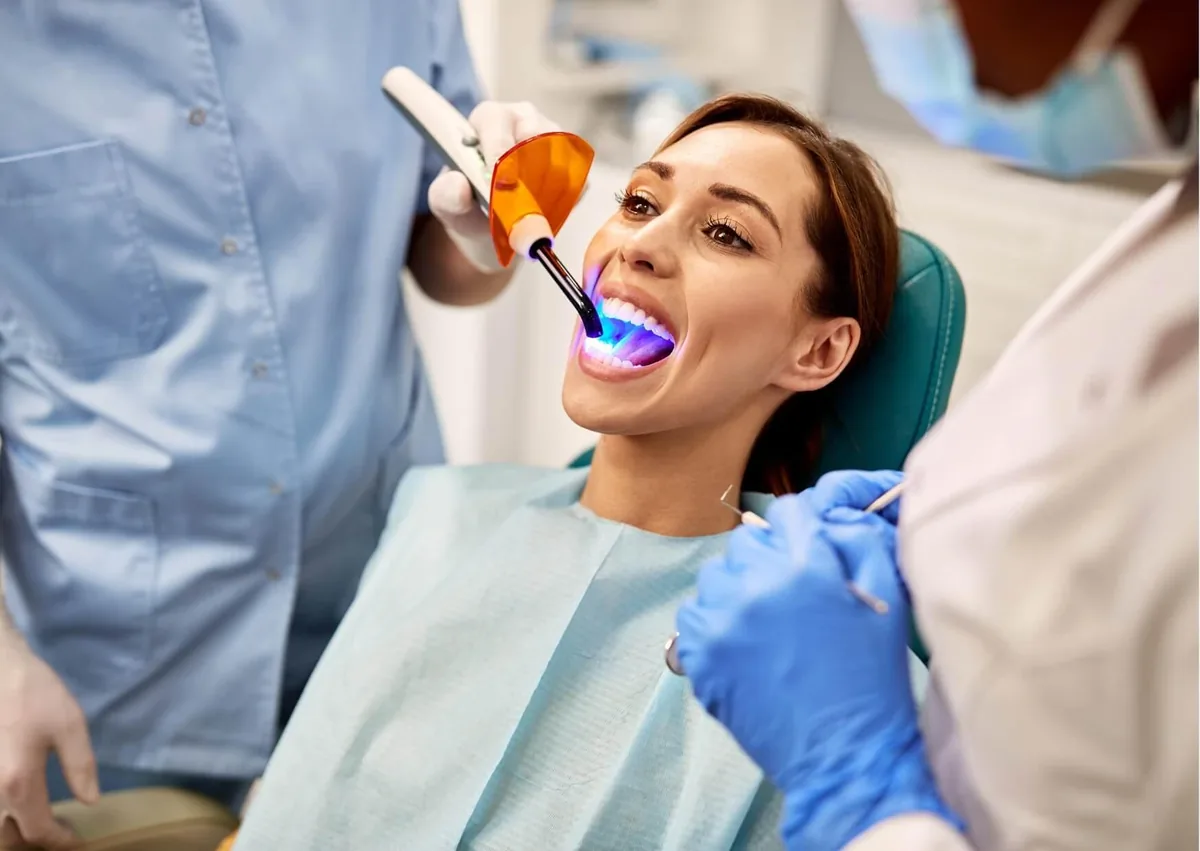
Dental bonding uses a tooth-colored composite resin, similar to the material used in many fillings. The dentist matches the shade, shapes the resin directly on the tooth, hardens it with a curing light, and polishes it so it blends with nearby enamel.
Dental bonding may be used for:
Bonding works best for small changes in otherwise healthy teeth. It is not meant to strengthen a badly cracked tooth, rebuild a tooth with extensive decay, correct major crowding, or replace a missing tooth.
Enamel is the hard outer surface of the tooth, and once it is lost, the body does not grow it back. A shallow chip may be mostly cosmetic, but a deeper one can expose dentin underneath, create sensitivity, or leave a rough edge that irritates the tongue.
The emotional side matters too. A small visible defect can draw attention in conversation or in photos, and even a modest repair can help someone feel more at ease without changing much of the natural tooth.
A gap or uneven edge can also point to a larger issue. Grinding, shifting teeth, gum disease, bite pressure, or decay may need attention before a cosmetic repair is placed.
A small chip that does not hurt and does not feel sharp can often wait for a routine dental visit. Brief sensitivity to cold or touch may mean dentin is exposed, while ongoing pain can suggest a deeper problem inside the tooth.
Arrange prompt evaluation if the tooth becomes more painful, changes color after an injury, feels loose, or hurts when you bite. Facial swelling, fever, uncontrolled bleeding, trouble swallowing or breathing, or major dental trauma needs urgent dental or medical care.
Even without pain, a new defect should be checked rather than assumed harmless. Fine cracks, decay, and bite-related wear are not always easy to sort out at home, so it helps to read more about a cracked tooth.
The dentist examines the tooth, the gums around it, and the neighboring teeth. X-rays may be needed if there is concern about decay, root damage, a deeper fracture, or past trauma.
The bite matters because bonded resin can chip if it keeps taking heavy pressure. The dentist may look for clenching, grinding, edge-to-edge contact, nail biting, ice chewing, or other habits that could shorten the life of the repair.
Color and surface condition also affect planning. If whitening is part of the goal, it is usually done first because composite resin doesn't respond to whitening after placement, including with bleaching products such as teeth whitening strips.
The right treatment depends on how much tooth structure is involved, how much change is wanted, how the teeth come together, and how long the result needs to last. This comparison shows common uses, not a personal recommendation.
|
Treatment |
Often Considered For |
Tooth Preparation |
Key Limitation |
|---|---|---|---|
|
Dental bonding |
Small chips, gaps, shape changes, or localized discoloration |
Usually minimal |
Can stain, wear, or chip over time |
|
Broader changes to a front tooth’s color, shape, or surface |
Usually requires some enamel removal |
More involved and generally not reversible |
|
|
Crown |
A weakened, heavily filled, broken, or extensively decayed tooth |
Requires substantial reshaping |
Covers more tooth than minor cosmetic defects require |
|
Orthodontic treatment |
Gaps, crowding, or bite problems caused by tooth position |
Does not reshape teeth for coverage |
Takes longer and does not directly repair chipped enamel |
For more on crowns, see types of dental crowns.
Bonding is usually less invasive than a veneer or crown, but it is not as stain-resistant or durable as porcelain. If tooth position or bite is the main issue, orthodontic treatment such as Invisalign may address the cause better than adding resin.
For cosmetic bonding on intact enamel, numbing often is not needed. Anesthetic may be used if decay is being removed, the area is sensitive, or the work extends near the gums.
The dentist usually conditions the tooth surface, applies a bonding agent, and places the composite in layers. After shaping the material, the dentist hardens it with a curing light, checks the bite, and polishes the surface.
Many small repairs are finished in one visit. Most patients return to normal activity right away, though mild sensitivity or slight gum tenderness can happen for a short time.

Composite resin handles normal daily use well, but it is not as hard as enamel or porcelain. How long it lasts depends on the size and location of the repair, bite forces, home care, habits, and accidental trauma.
To protect the result, avoid using bonded teeth to open packages or bite pens, nails, or ice. Brush with fluoride toothpaste, clean between the teeth every day, and keep regular dental visits so small problems can be caught early.
Coffee, tea, tobacco, and other dark pigments can gradually stain resin, especially near the edges. If you grind or clench, the dentist may recommend a custom nightguard, though no guard can prevent every future chip.
A bonded area that feels high, turns rough, chips again, or becomes painful should be checked. Small defects can often be polished or repaired, while repeated failure may mean another type of restoration would hold up better.
Dental bonding can make a natural-looking improvement while preserving healthy tooth structure, especially when the concern is small and the bite is favorable. If you're considering a cosmetic solution, a cosmetic dentistry consultation can clarify whether bonding, veneers, or another approach best fits your priorities.
A thoughtful plan should account for oral health, appearance goals, maintenance, expected longevity, and cost. If cost is a concern, see how much is tooth bonding.
For a focused evaluation of whether bonding, veneer, or other cosmetic options best fit your teeth and bite, a short cosmetic dentistry consult can outline realistic outcomes and timing. Contact Oasis Smile Studio for cosmetic dentistry in High Point, NC and nearby Thomasville or Archdale, and call (336) 885-9021 to book an appointment or check same-day availability.
Bonding placed on intact enamel is often comfortable and may not require numbing. Sensitivity varies, and anesthetic may be appropriate when decay, exposed dentin, or work near the gums is involved.
There is no single lifespan for every bonded tooth. Small repairs in low-stress areas may last for years, while larger restorations or teeth exposed to grinding, hard biting, and staining may need maintenance or replacement sooner.
Patient education sources often note a typical range of three to 10 years, though individual results vary.
Bonding can close some small spaces by adding resin to the sides of nearby teeth. Larger gaps, active tooth movement, gum disease, or bite concerns may make orthodontic or other treatment a better choice.
Whitening products can lighten natural teeth, but they do not change the color of existing composite resin. If whitening is planned, it is commonly done first so the bonding can be matched afterward.
Bonding may require little or no enamel removal, but it should not automatically be considered fully reversible. Surface preparation, existing tooth damage, and future repairs can affect whether the tooth can simply be returned to its original state.