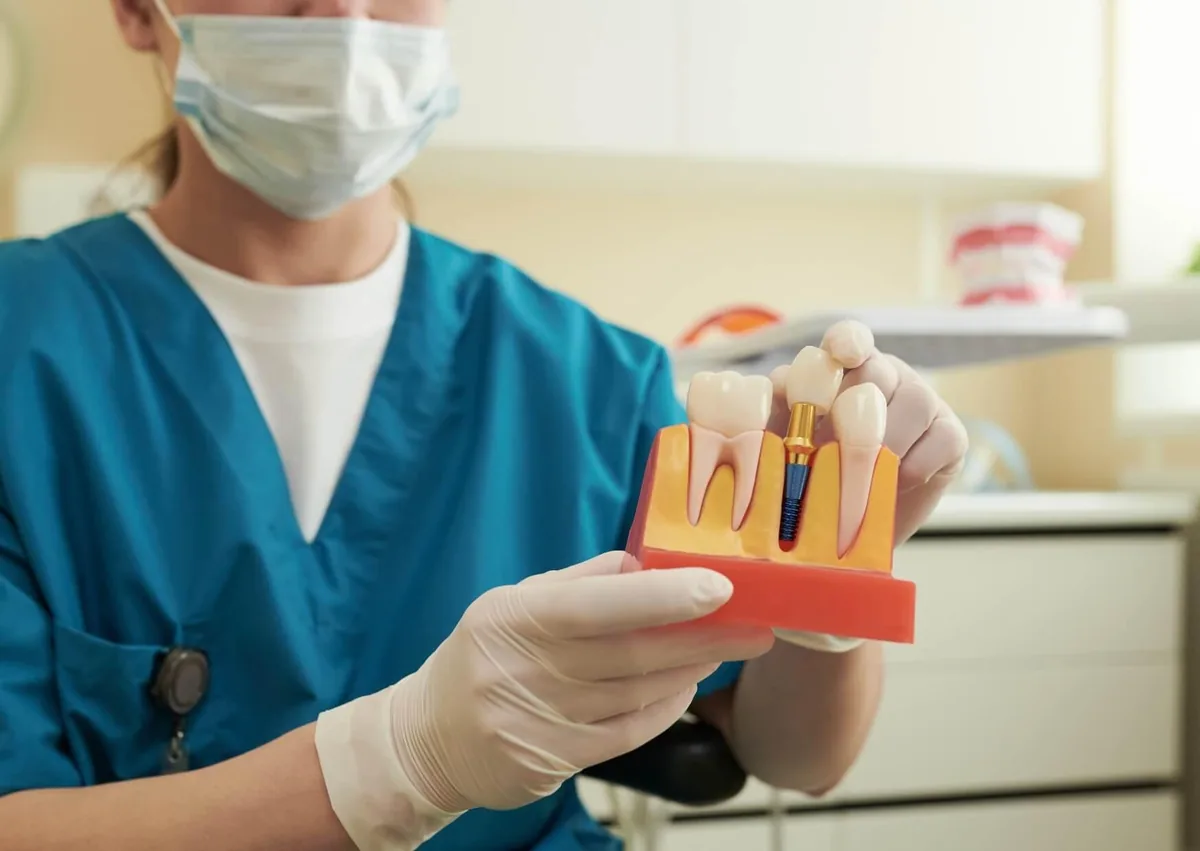
Affordable dental implants in High Point, NC, are usually possible when treatment is planned in stages, essential care is separated from optional services, and the full cost is explained before work begins. A low advertised fee may not reflect the real total, so it helps to ask for a written estimate that includes the implant, abutment, crown, imaging, anesthesia, and any needed bone treatment.
A common situation starts quietly. Someone loses a back tooth, begins chewing on one side, and tells themselves they will look into replacement later when money feels less tight. Over time, the space may still not hurt, but eating can feel less balanced and nearby teeth may begin to shift. What seemed easy to postpone can become harder to ignore.
If you're weighing whether to replace a missing tooth but worry about surgery or cost, learning about dental implants can clarify which parts of care are essential versus optional. Oasis Smile Studio in High Point, NC helps patients understand treatment steps, expected costs, and options so you can decide with clear estimates and fewer surprises.
A dental implant is a small post, usually made of titanium, placed in the jaw to support a replacement tooth. Unlike a removable partial denture, an implant-supported crown does not depend on neighboring teeth for routine support.
After a tooth is lost, the jawbone in that area can gradually shrink because it no longer receives normal chewing pressure. Research on post-extraction bone shrinkage helps explain why an earlier evaluation can matter.
Nearby teeth may tilt into the space, and the tooth above or below it may drift as well. These changes can affect chewing, bite comfort, and future treatment options.
The impact is not only physical. Some people start avoiding certain foods, speaking more carefully, or feeling less at ease when they smile, even if the missing tooth is not easy for others to see.
A missing tooth may cause very few symptoms at first. Still, chewing difficulty, food trapping, changing bite pressure, or movement of nearby teeth can all suggest the space is starting to affect function.
Tender gums, drainage, swelling, or a bad taste near a damaged tooth may point to infection and should be checked promptly. Those issues may need treatment before implant planning can move forward.
Severe facial swelling, fever with dental pain, trouble swallowing, trouble breathing, or swelling spreading toward the eye or neck needs urgent care. If symptoms are persistent, worsening, or unclear, it is better to have an exam than wait on cost questions alone.
The dentist examines the missing-tooth area, gum health, bite, and the condition of the surrounding teeth. X-rays help assess bone levels, root position, and nearby structures, and a CBCT scan may be recommended for more detailed planning.
Medical history also matters. Healing can be affected by uncontrolled diabetes, tobacco or nicotine use, certain medications, prior radiation therapy, and some bone-related conditions.
These implant risk factors do not always rule out implants, but they can change timing, risk, or the treatment approach. A careful review helps the dentist explain what is realistic and what may need to happen first.
If decay, gum disease, or infection is present, those problems are usually treated before or during implant planning. In many cases, general dentistry care is the first step toward a stable implant result.
The exam also shows whether there is enough healthy bone and gum tissue to support the implant. If not, the dentist may discuss grafting or a different tooth-replacement option.
The right option depends on how many teeth are missing, where they are located, how much bone support is present, and what fits the patient's budget. An implant is often a strong long-term choice, but it is not the only reasonable one.
|
Treatment |
Typical Use |
Main Consideration |
|---|---|---|
|
Single implant and crown |
One missing tooth |
Preserves neighboring teeth but requires surgery and healing |
|
Implant-supported bridge |
Several adjacent missing teeth |
May replace multiple teeth with fewer implants |
|
Implant-retained denture |
Many or all teeth missing |
Improves denture stability; design and implant number affect cost |
|
Traditional bridge |
One or more missing teeth |
Faster in some cases but uses neighboring teeth for support |
|
Removable partial denture |
Several missing teeth |
Usually lower initial cost but removable and less stable |
Bone grafting may be needed if the jaw has become too narrow or has lost height. It can improve support, but it also adds cost and healing time.
That is why it helps to ask whether grafting is essential, whether treatment can be staged, and whether another restoration design could lower the total cost. A good consultation should make those tradeoffs easy to understand.
Implant fees vary because treatment can include the exam, imaging, tooth removal, grafting, sedation, the implant post, the abutment, and the final crown or denture. A complete written estimate is more useful than a single advertised number.
Patients should also ask whether the quote includes both the surgical phase and the final tooth. That detail often explains why one office's price looks lower than another's.
To understand how the final tooth will look and function, it may help to review restorative dentistry options for crowns, abutments, and bridge designs during the estimate process.
Dental insurance may help with some parts of treatment while excluding others. Annual maximums, waiting periods, and missing-tooth clauses can all affect what the patient actually pays.
Other payment approaches may include phased treatment, third-party financing, health savings accounts, flexible spending accounts, or dental education programs where available. Financing can lower monthly payments, but patients should still review interest, fees, repayment terms, and total cost.
A lower fee should not come at the expense of diagnosis, sterile technique, quality materials, or follow-up care. Patients should ask who will place and restore the implant, what services are included, and how repairs or complications are handled. Learn more about who does dental implants.
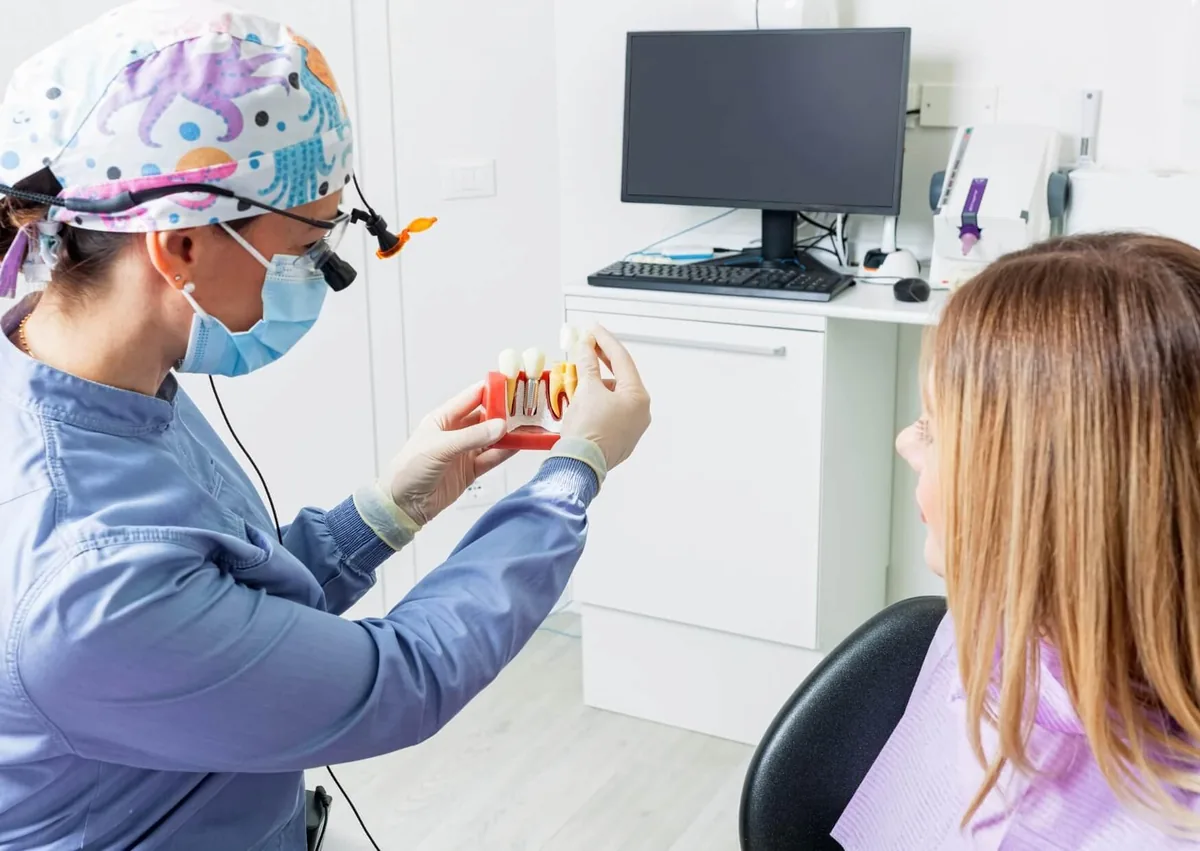
Once planning is complete, the implant is placed in the jaw under local anesthesia. Additional comfort options may be discussed when appropriate.
Some patients can receive a temporary tooth soon after placement, but many need a healing period first. During that time, the bone bonds to the implant surface in a process called osseointegration.
Healing often takes several months. The timeline depends on the location of the implant, bone quality, grafting, overall health, and how stable the implant is at placement.
After healing is confirmed, the dentist attaches the connector and places the custom restoration. The bite is adjusted as needed, and the patient is shown how to clean around the implant.
Implants do not get cavities, but the surrounding gums and bone can still become inflamed or infected. Daily home care, regular dental visits, and avoiding nicotine all support long-term success. If you're curious about durability, read how long dental implants last.
Cost concerns deserve a direct conversation, not pressure or embarrassment. A careful exam can show whether an implant is a good fit, which parts of treatment are necessary, and how to move forward at a manageable pace.
For a clear, itemized estimate and personalized implant plan, request a consultation to review imaging and options before committing to staged treatment. Contact Oasis Smile Studio for dental implants in High Point, NC and nearby Thomasville and Archdale; call (336) 885-9021 to schedule or book online.
There is no single fee because the total can include imaging, tooth removal, grafting, sedation, the implant, abutment, crown, and follow-up care. Ask for an itemized estimate and confirm whether the quote includes both surgery and the final tooth. See our article on cost of dental implants for more detail.
They can be safe when they are backed by a full exam, proper imaging, qualified care, reliable materials, infection control, and planned follow-up. Be cautious with offers that leave out major parts of treatment or suggest candidacy before an exam.
Some plans cover part of the surgery or restoration, while others exclude implants or limit payment to a less expensive alternative. Review the annual maximum, waiting period, missing-tooth clause, and any preauthorization requirements.
Sometimes, yes. Infection, bone condition, gum tissue, implant stability, and bite forces all help determine whether immediate placement is appropriate.
Bone grafting may create enough support, but it is not the only path. Depending on the exam findings, a different implant design, a bridge, or a removable appliance may make more sense.