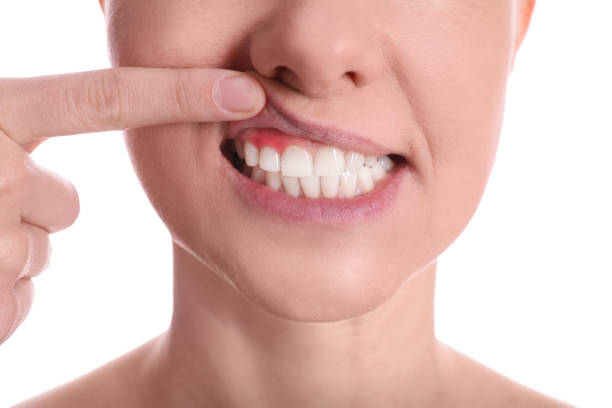
Oral health is often judged by the brightness of a smile—but the true foundation of that smile lies in the gums. When gums become irritated or inflamed, it is not merely a cosmetic concern; it is a clinical signal that something is wrong beneath the surface.
One of the most common early warning signs of gum disease is gingivitis. You may have asked yourself, what is gingivitis, and whether occasional gum bleeding is something to worry about. The answer is straightforward: gingivitis is a preventable and reversible condition—but only if addressed promptly and properly.
Let us take a closer, professional look at what gingivitis is, how it develops, and how you can protect your oral health with confidence with this Oasis Smile Studio guide.
Gingivitis is the earliest stage of gum disease, characterized by inflammation of the gingiva—the soft tissue surrounding the base of the teeth. It is primarily caused by plaque accumulation along the gumline.
Clinically speaking, gingivitis does not involve bone loss or permanent tissue damage. That distinction is critical. At this stage, the condition remains reversible with proper treatment and improved oral hygiene.
In practical terms, gingivitis is your body’s inflammatory response to bacterial buildup. When plaque lingers at the gumline, bacteria release toxins that irritate the surrounding tissue. The gums react—becoming red, swollen, and prone to bleeding.
The development of gingivitis follows a predictable sequence:
Initially, symptoms may be subtle. Many patients do not experience pain, which is why gingivitis often goes unnoticed. However, inflammation beneath the surface can quietly intensify if plaque is not removed consistently.
When plaque remains for extended periods, it hardens into tartar (calculus). Unlike plaque, tartar cannot be removed with a toothbrush—it requires professional cleaning.
One of the most important aspects of gingivitis is its reversibility. Since it does not affect the bone supporting the teeth, restoring gum health is possible through:
With timely care, inflamed gum tissue can return to a healthy, firm state within days or weeks.
Healthy gums serve as a protective seal around each tooth. They typically appear:
They should not appear shiny, puffy, or deep red.
In addition to appearance, healthy gums:
When these characteristics change, it may signal the onset of gingivitis.
The primary cause of gingivitis is plaque—a sticky biofilm filled with bacteria. Even with daily brushing, plaque can accumulate in hard-to-reach areas, especially along the gumline.
If plaque is not removed within 24–72 hours, it can begin hardening into tartar, further increasing irritation.
Inconsistent brushing, skipping flossing, or brushing too quickly allows plaque to remain undisturbed. Over time, this bacterial buildup triggers inflammation.
Tobacco products reduce blood flow to gum tissues, impair healing, and suppress immune response. Smokers may not notice bleeding easily, masking early warning signs.
Hormonal fluctuations during pregnancy, puberty, or menopause can heighten gum sensitivity. Additionally, conditions such as diabetes increase susceptibility to infection and inflammation.
The mouth naturally contains bacteria. However, when plaque accumulates, harmful bacteria multiply and release toxins. These toxins irritate the gingival tissue.
As plaque hardens into tartar, it creates rough surfaces that attract even more bacteria. This cycle intensifies inflammation.
Inflammation occurs because the body’s immune system responds to bacterial invasion. While this response is protective, it can cause redness, swelling, and bleeding.
In essence, gingivitis is both a bacterial condition and an inflammatory reaction.
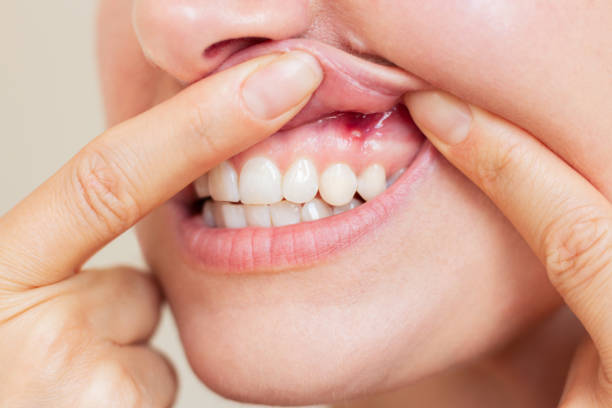
Healthy gums are firm. Inflamed gums appear enlarged, tender, or darker in color.
Bleeding is one of the earliest and most noticeable signs. Gums should not bleed from routine oral care.
Chronic bad breath may result from bacterial buildup beneath the gumline.
Additional symptoms may include:
Even if symptoms seem minor, they should not be ignored.
| Feature | Gingivitis | Periodontitis |
| Gum Inflammation | Yes | Yes |
| Bone Involvement | No | Yes |
| Reversible | Yes | No |
| Tooth Mobility | Rare | Possible |
If untreated, gingivitis can advance into periodontitis—a more severe form of gum disease involving bone loss and deeper infection.
Advanced gum disease may lead to:
Early intervention prevents long-term consequences.
At Oasis Smile Studio, advanced diagnostic tools and a patient-first approach allow for early detection and precise treatment planning—ensuring gingivitis is addressed before progression.
Professional cleaning removes plaque and tartar above and below the gumline.
Patients receive guidance on brushing technique, flossing frequency, and product recommendations.
In some cases, antimicrobial rinses or localized therapies may be prescribed.
At Oasis Smile Studio, treatments are tailored to individual needs, ensuring comfort while restoring gum health effectively.
With consistent care, improvement may begin within one to two weeks. Bleeding and swelling gradually diminish.
Healing depends on:
Consistency remains the determining factor.
Brush twice daily using gentle, circular motions for at least two minutes.
Floss once daily to remove plaque between teeth.
An alcohol-free antimicrobial rinse supports bacterial reduction.
Together, these habits form the foundation of prevention.
Include:
Balanced nutrition supports tissue repair.
Excess sugar fuels bacterial growth. Acid weakens enamel and irritates gums. Moderation supports long-term oral stability.
At Oasis Smile Studio, preventive appointments are designed to be efficient, comfortable, and thorough—making long-term gum health achievable.
Timely treatment protects both oral and systemic health.
Research suggests a connection between gum inflammation and cardiovascular conditions.
Oral health is not isolated—it influences overall wellness.
Brush twice daily and floss daily.
If bleeding continues despite improved hygiene, professional evaluation is necessary.
Ongoing inflammation requires clinical assessment.
Residents of High Point, NC, can seek timely care at Oasis Smile Studio, where advanced dentistry and patient comfort are prioritized.
Oasis Smile Studio is conveniently located at 1700 Westchester Dr, High Point, NC 27262, United States, and is open Monday through Thursday from 8 AM to 4 PM, remaining closed Friday through Sunday. Our practice offers comprehensive services including routine cleanings, periodontal care, cosmetic treatments, and advanced restorative dentistry in a modern, state-of-the-art environment.
With a patient-first philosophy and cutting-edge technology, our team delivers sophisticated smiles and exceptional care in a setting designed for comfort and convenience.
If you are ready to experience elevated dental care, schedule your visit today and take the first step toward optimal gum health.
Understanding what gingivitis is is essential for maintaining both oral and overall health. Gingivitis represents the earliest stage of gum disease—marked by inflammation, bleeding, and bacterial buildup—but it remains fully reversible when addressed promptly.
Through consistent oral hygiene, balanced nutrition, and routine professional care, gum health can be restored and maintained effectively. Oasis Smile Studio in High Point, NC, emphasizes early detection, preventive care, and personalized treatment—ensuring that patients receive comprehensive support before minor concerns develop into complex conditions.
Healthy gums are fundamental to a confident, lasting smile. Prioritizing them today protects your oral health for years to come.
Gingivitis typically does not resolve without improved oral hygiene and professional cleaning. Active intervention is required to remove plaque and tartar.
In early stages, gingivitis is often painless. However, swelling and tenderness may develop as inflammation progresses.
Most individuals should schedule dental checkups every six months, though higher-risk patients may require more frequent visits.
Oasis Smile Studio treats gum disease through comprehensive evaluations, professional cleanings, personalized hygiene instruction, and advanced periodontal therapies tailored to individual needs.
Yes, children and adolescents can develop gingivitis, particularly if oral hygiene habits are inconsistent.
Mouthwash alone does not cure gingivitis. It should be used alongside brushing, flossing, and professional dental care.