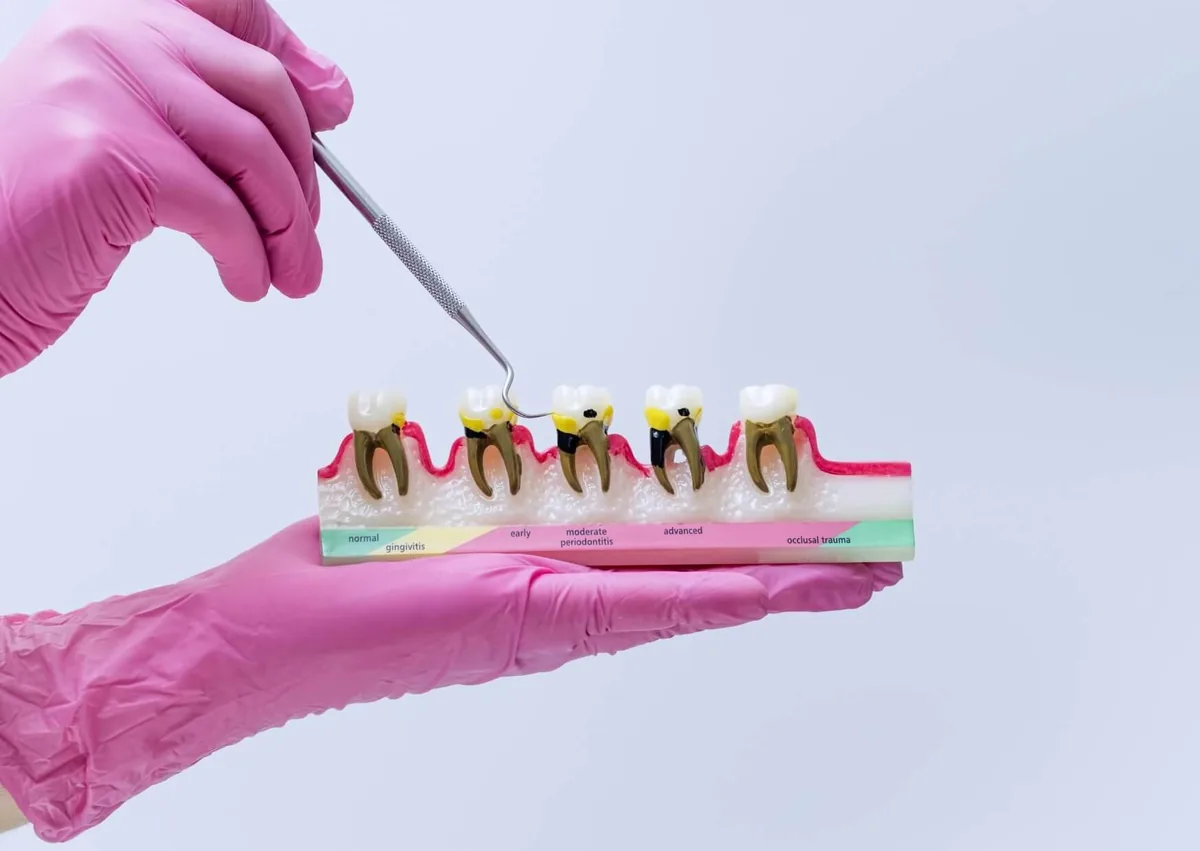
You brush, spit, and run your tongue across your teeth, but they still feel rough near the gums. In most cases, how to remove plaque from teeth comes down to brushing twice a day with fluoride toothpaste, cleaning between the teeth once a day, and seeing a dentist regularly; soft plaque can come off at home, but hardened tartar needs professional cleaning.
A lot of people notice bleeding when they floss again after a break, or a fuzzy feeling that returns by the end of the day. That does not automatically mean something serious is wrong, but it often means plaque is collecting in places a toothbrush is missing.
If rough spots, bleeding, or visible buildup are making you wonder whether home care is enough, a dental exam can show what is plaque, what is tartar, and what needs attention. At Oasis Smile Studio in High Point, NC, patients receive clear guidance and gentle preventive care aimed at protecting teeth and calming uncertainty.
Plaque is a sticky film made of bacteria, saliva, and food debris. It forms constantly and tends to collect along the gumline, between teeth, around dental work, and in crowded areas.
When plaque bacteria feed on sugars and other fermentable carbohydrates, they produce acids. Those repeated acid attacks can weaken enamel and lead to cavities, while plaque near the gums can trigger gingivitis, the earliest stage of gum disease (learn more: what is gingivitis).
Plaque also affects how a person feels day to day. Bleeding gums, bad breath, or a coated feeling on the teeth can make someone self-conscious, even though these problems are common and often very treatable.
Brush for about two minutes, twice a day, with a soft-bristled manual or electric toothbrush and fluoride toothpaste. Aim the bristles toward the gumline and use gentle, small strokes on the front, back, and chewing surfaces of each tooth.
Hard scrubbing does not remove plaque better. It can irritate the gums and wear tooth surfaces over time.
After brushing, spit out the excess toothpaste instead of rinsing right away. Avoiding an immediate water rinse may improve fluoride retention on the teeth for longer.
Clean between the teeth once a day with floss, an interdental brush, or another tool recommended by a dental professional. Slide floss gently below the gumline and hug the side of each tooth instead of snapping it into the gums.
Some mouths need more than standard floss. Larger spaces, bridges, braces, or certain restorations may be easier to clean with interdental brushes or water flossers.
Disclosing tablets or solutions can help by coloring plaque that was missed. They are optional, but they can make brushing patterns easier to see and may stain fabrics or some dental materials, so it is worth checking with a dentist before using them regularly.
Plaque is soft and usually feels fuzzy or filmy. If it stays on the teeth long enough, minerals in saliva can harden it into tartar, also called calculus, which often feels rough and may look yellow, tan, or dark near the gums.
Tartar cannot be removed safely at home. Do not try to remove tartar with fingernails, metal tools, or home scraping kits because they can injure the gums, scratch teeth, and damage fillings or crowns.
Not every dark or yellow area is plaque. It may be a surface stain, tartar, exposed tooth structure, or decay, and a dental exam is the safest way to tell the difference and discuss options such as cosmetic dentistry.
Bleeding during brushing or flossing often means the gums are inflamed from plaque buildup. This is especially common when cleaning between the teeth has been inconsistent.
Gentle daily cleaning should continue, but some symptoms deserve an exam. Make a dental visit if bleeding is persistent, getting worse, heavy, or paired with swelling, gum recession, or loose teeth.
Bad breath that does not improve with careful cleaning can come from plaque on the teeth or tongue, gum disease, dry mouth, cavities, or a non-dental issue. A dentist can help identify the cause instead of simply covering the odor with mouthwash.
Seek prompt dental care for facial or gum swelling, pus, fever, severe or worsening pain, trouble opening the mouth, or a tooth that suddenly feels loose. Trouble breathing or swallowing along with facial or neck swelling is a medical emergency.
During a dental exam, the dentist or hygienist checks for plaque and tartar above and below the gumline. They also look for bleeding, gum recession, cavities, and spots that are hard to keep clean.
Gum measurements may be taken with a small probe to look for deeper spaces around the teeth, sometimes called periodontal pockets. These findings help show whether the problem is simple plaque buildup or something more advanced.
Dental X-rays may be recommended based on symptoms, age, exam findings, and cavity or gum-disease risk. They can show bone loss, decay between teeth, and problems around existing dental work that are not visible during a visual exam.
The dental team may also ask about brushing habits, dry mouth, diet, tooth alignment, and restorations that trap plaque. That makes the advice more useful because plaque control is not exactly the same for every patient.
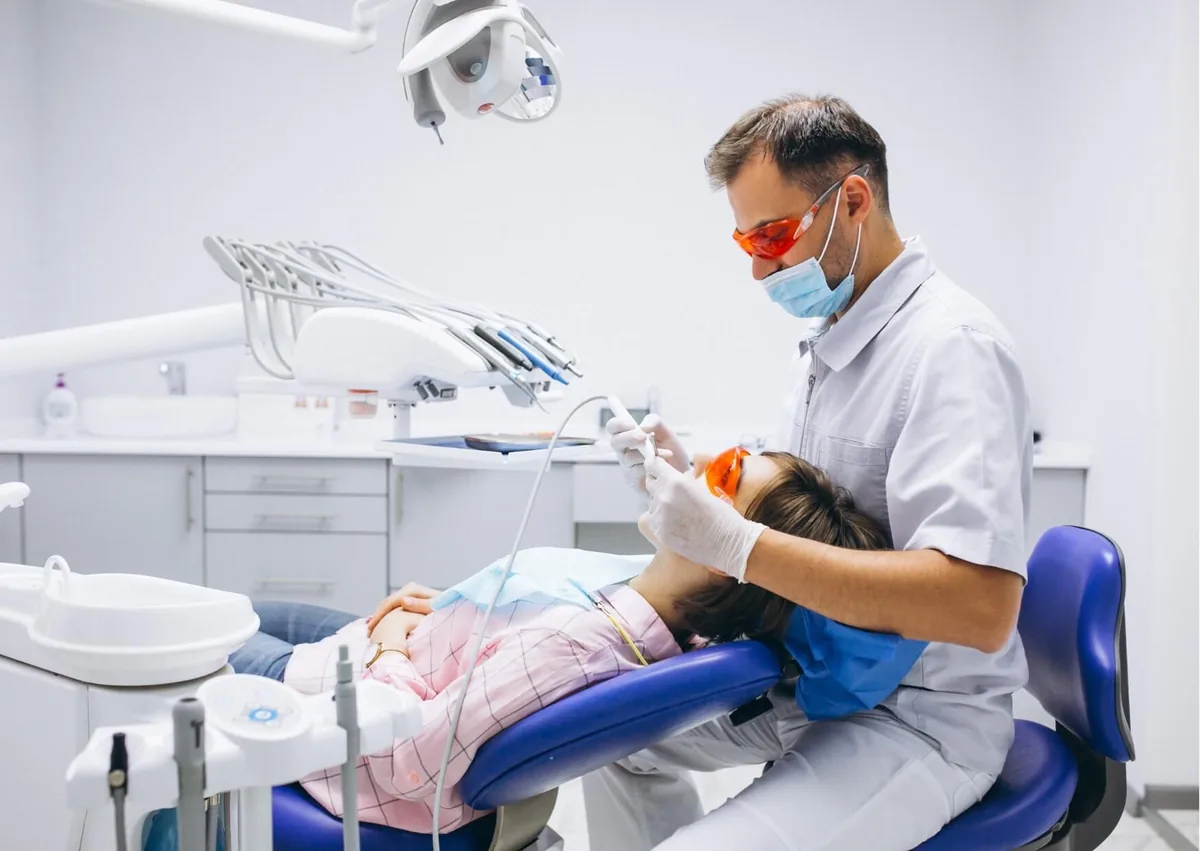
If the gums are healthy and tartar buildup is limited, a routine professional cleaning may be enough (see dental cleaning). The hygienist or dentist removes deposits with specialized instruments, polishes selected surface stains, and reviews home-care techniques.
If plaque has already contributed to cavities or weakened tooth structure, restorative dentistry such as fillings or crowns may be needed. If tartar extends below the gums and periodontal disease is present, a deeper cleaning called scaling and root planing may be recommended.
This deeper cleaning removes deposits from beneath the gumline and smooths contaminated root surfaces. Local anesthetic may be used for comfort, and treatment is sometimes divided across more than one visit.
Some sensitivity or mild tenderness can happen after a professional cleaning, especially when there was heavy buildup or gum inflammation. The dental team should explain what recovery usually feels like, how to care for the area at home, and whether a follow-up gum check is needed.
Plaque starts forming again soon after it is removed, so long-term control depends more on consistency than on occasional aggressive brushing (see don't brush your teeth). A fluoride toothpaste, daily cleaning between the teeth, and a toothbrush that comfortably reaches every area are the basics.
Mouthwash can be helpful in some cases, but it does not replace brushing or interdental cleaning. A dentist may suggest a specific rinse based on cavity risk, gum health, dry mouth, age, or other health factors.
Most plaque problems improve with steady home care and the right professional support. If roughness, bleeding, odor, or soreness continue, an exam can usually clarify the cause and give you a manageable next step.
If tartar, bleeding, or persistent symptoms remain, arrange a professional cleaning and exam to identify the cause and prevent progression. Contact Oasis Smile Studio for general dentistry in High Point, NC and nearby Archdale and Thomasville; call (336) 885-9021 or book an appointment online.
Soft plaque can often be removed with a careful session of brushing and cleaning between the teeth. Hardened tartar cannot be removed at home and requires professional dental instruments.
Toothpaste with properly formulated abrasives, including some baking-soda toothpastes, can help remove plaque and surface stains. Avoid homemade abrasive mixtures, which may irritate gums or wear dental surfaces, and choose a fluoride toothpaste with the American Dental Association Seal of Acceptance when possible (to learn more about selecting a product, see choose toothpaste).
Both manual and electric toothbrushes can remove plaque when used well. An electric brush may help if you have limited dexterity, tend to brush too hard, or struggle to brush for the full recommended time.
The right interval depends on gum health, tartar buildup, cavity risk, medical history, and how well plaque is controlled at home. A dentist or hygienist can recommend a schedule after examining the teeth and gums.