Dental implants have rapidly become the gold standard for modern tooth replacement—and for good reason. They are strong, natural-looking, and designed to stand the test of time. But just how long do they actually last?
Whether you're considering implants or already have them, understanding their longevity can give you peace of mind.
In this guide, we’ll unpack everything you need to know… and along the way, we’ll also touch on how trusted practices like Oasis Smile Studio help ensure exceptional implant care.
Dental implants are renowned for their durability—often lasting 20–30 years or more. With excellent care, many patients enjoy implants that last a lifetime.
Their longevity depends on various factors including oral hygiene, bone health, and lifestyle habits.
Understanding these elements is key to protecting your investment and maintaining a functional, confident smile for decades.
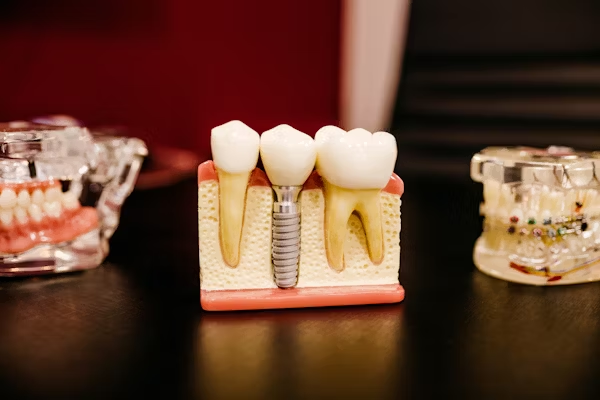
A dental implant consists of three key components:
Together, they replicate the full structure of a tooth from root to crown.
Unlike dentures or bridges, implants fuse with your jawbone through a process called osseointegration, allowing them to feel and function like real teeth.
They offer unmatched stability, prevent bone loss, and reduce long-term dental complications—making them a reliable lifelong solution.
On average, implants last 25 years or more, while many last a lifetime with proper care.
| Feature | Dental Implants | Bridges | Dentures |
| Longevity | 25+ years | 10–15 years | 5–8 years |
| Jawbone Support | Yes | Minimal | None |
| Maintenance | Like natural teeth | More upkeep | Frequent adjustments |
| Comfort | High | Moderate | Low |
Good brushing, flossing, and routine cleanings protect your implant and surrounding teeth.
Healthy bone and gums create the foundation your implant needs to stay strong.
Smoking reduces blood flow—slowing healing and increasing risk of implant failure. Excessive alcohol also affects recovery.
Stronger materials resist fracture, wear, and corrosion—key factors in lifespan.
Laser surface treatments and improved thread design help implants integrate faster and last longer.
At practices like Oasis Smile Studio, precision and advanced technology dramatically improve outcomes.
Correct angling ensures force distribution and long-term stability.
Dense, healthy bone increases implant success rates.
Following after-care instructions is essential for long-term success.
The bone grows around the implant post, locking it into place—much like cement anchoring a post in the ground.
Failure may lead to loosening, infection, or implant removal.
Use a soft-bristle brush and floss around the implant crown daily. Avoid skipping brushing your teeth.
These help clean hard-to-reach spaces and reduce bacteria buildup.
Twice-yearly visits ensure long-term implant health.
Similar to gum disease, peri-implantitis can weaken bone and gum support.
Loss of bone compromises the implant foundation.
Clenching and grinding can damage implants and surrounding structures.
Both slow healing and raise the risk of infection.
Stable medical conditions promote better oral healing.
Your dentist’s instructions are your implant’s best friend.
Studies show success rates as high as 95–98% even after 10 years.
Stable bone support and high-quality materials contribute to exceptional longevity.
If the crown cracks or loosens, restoration may be needed.
Often, only the crown needs replacement—not the implant post.
This is rare and occurs only when osseointegration fails or bone deteriorates.
Bridges rely on surrounding teeth, while implants stand independently and last longer.
Implants don’t slip, shift, or require adhesives.
Upfront costs are higher, but lifespan and comfort outweigh alternatives.
Help monitor bone and gum changes early.
Early detection prevents costly restorative treatments.
A healthy mouth supports healthy implants.
Bone thinning may require grafting before implant placement.
Yes—age alone is not a disqualifying factor.
Routine dental care ensures implants remain secure and functional.
Implants are often the most cost-effective long-term option.
| Treatment | Average Lifespan | Replacement Frequency |
| Implants | 25+ years | Rare |
| Bridges | 10–15 years | Occasional |
| Dentures | 5–8 years | Frequent |
Many clinics offer payment plans to make implants more accessible.
These are red flags requiring immediate care.
May indicate infection or early peri-implantitis.
Any sudden discomfort should be addressed promptly.
At Oasis Smile Studio, located at 1700 Westchester Dr, High Point, NC 27262, patients enjoy a luxury dental experience focused on comfort, precision, and long-term results.
Open Monday–Thursday from 8 AM to 4 PM, our modern practice offers everything from routine cleanings to advanced implant care. With cutting-edge technology and a warm, patient-first approach, we provide sophisticated smiles and exceptional care.
Experience the difference at Oasis Smile Studio—schedule your visit today!
Dental implants are one of the longest-lasting and most reliable tooth replacement options available. With proper care, many last a lifetime. Understanding factors like osseointegration, materials, maintenance habits, and lifestyle choices helps ensure your implants remain strong and stable for decades.
Whether you're considering implants or maintaining existing ones, partnering with a trusted practice like Oasis Smile Studio ensures expert guidance every step of the way.
Most implants last 20–30 years or more with proper care.
Yes—when placed correctly and maintained well, implants can last for life.
Common causes include poor oral hygiene, gum disease, bone loss, and smoking.
Brush daily, floss, avoid smoking, maintain regular dental checkups, and protect your teeth from grinding.