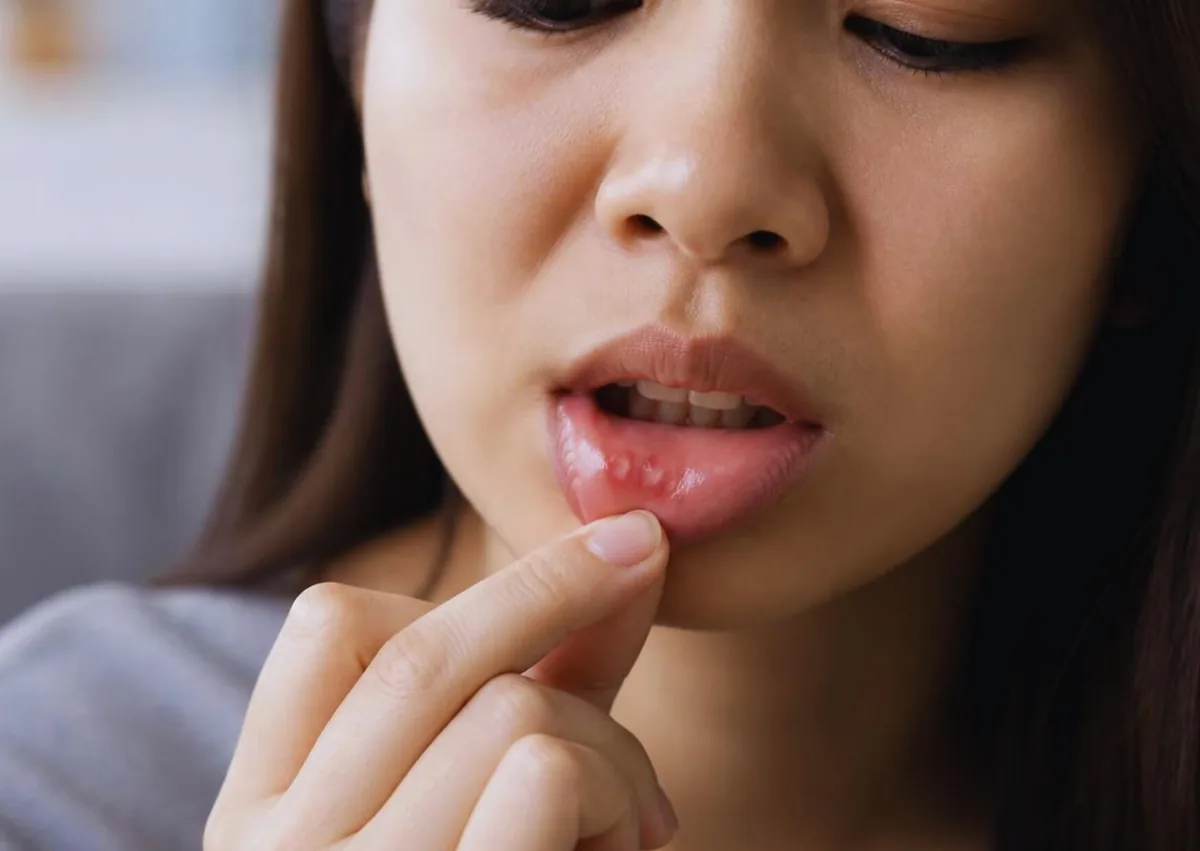
You notice a small, painful spot inside your lip after a stressful week or a meal that irritated your mouth. In most cases, canker sores last about 7 to 14 days, with the worst tenderness often happening in the first few days before the area slowly settles down and heals.
Even a tiny sore can make eating, drinking, and talking feel surprisingly difficult. The good news is that the usual healing pattern is predictable, and knowing what is normal can make the experience less worrying.
If a canker sore isn’t improving within two weeks or keeps returning, a dental exam can pinpoint causes and whether a tooth or appliance is contributing. Oasis Smile Studio in High Point, NC, provides careful exams to find the cause and recommend treatments that ease pain and promote faster healing.
A canker sore, also called an aphthous ulcer, is a shallow sore that forms on the soft tissues inside the mouth. It often starts with a tingling or burning feeling before the ulcer becomes visible.
Most small canker sores move through the same basic stages:
|
Stage |
Typical Timing |
What You May Notice |
|---|---|---|
|
Early irritation |
First 1 to 2 days |
Tingling, burning, or a tender red spot |
|
Open sore |
About days 2 to 7 |
A white, yellow, or gray center with a red edge |
|
Healing |
Usually by days 7 to 14 |
Less pain and a gradually smaller ulcer |
Small sores usually heal without scarring. Larger or deeper ulcers can last several weeks and may leave a scar, which is one reason they should be evaluated.
Canker sores usually appear on movable tissues such as the inside of the lips, inside of the cheeks, underside of the tongue, floor of the mouth, or soft palate. They do not usually form on the outer lip.
They hurt because the ulcer exposes sensitive tissue beneath the surface. That makes contact with teeth, spicy foods, acidic drinks, or even normal tongue movement feel sharp and irritating.
Healing time can vary depending on the size of the sore and whether the area keeps getting rubbed or bitten. Stress, minor trauma, hormonal shifts, certain foods, and oral-care products can all play a role.
Recurrent sores may also be linked to predisposing factors such as nutritional deficiencies, immune-related conditions, gastrointestinal disease, or medication effects. Still, many people never find one single clear cause.
Canker sores are not contagious. If you have fluid-filled blisters on or around the lip instead, that pattern may fit a cold sore, which is caused by herpes simplex virus and can spread to others.
A typical canker sore should show clear improvement within two weeks. If it is not getting smaller, is still very painful, or lasts beyond three weeks, it needs professional attention.
Arrange a dental exam or medical evaluation if the sore keeps returning, becomes unusually large, or interferes with eating and drinking. A persistent ulcer that feels firm, has irregular borders, or bleeds without a clear reason should also be checked promptly.
Seek timely medical care if the sore comes with fever, a spreading rash, eye symptoms, severe weakness, or ulcers elsewhere on the body. Emergency dentistry is appropriate if swelling affects breathing or swallowing, or if pain prevents drinking and leads to signs of dehydration such as dizziness or very little urination.
A persistent sore is not automatically serious. Still, several conditions can look similar early on, including trauma, infection, immune-related disease, and, less commonly, oral cancer.

During the exam, the dentist checks the sore's size, shape, depth, color, border, and location. They also look at how long it has been there and whether it appears to be healing normally.
The dentist may check for a sharp tooth edge, broken filling, denture flange, orthodontic wire, or a biting habit that keeps injuring the same spot. Ongoing friction can make a simple sore last longer than expected.
You may be asked when the sore started, whether you get them often, what medications you take, and whether you have symptoms elsewhere in the body. If the pattern is severe, frequent, or slow to heal, the next step may include medical follow-up, blood tests, referral, or sometimes a biopsy.
Most canker sores do not need a procedure. They usually need time, protection from irritation, and simple pain relief.
Gentle brushing, a soft toothbrush, bland foods, and cool liquids can help. It also helps to avoid spicy, acidic, salty, or sharp-edged foods while the area is open.
Over-the-counter protective pastes, rinses, or oral pain-relief products may reduce discomfort if used as directed. Ask a dentist, pharmacist, or medical clinician before using them for a child, during pregnancy, or when allergies, health conditions, or other medications may affect product choice.
For severe or recurrent sores, a dentist or physician may prescribe a topical anti-inflammatory treatment or look for an underlying trigger. Antibiotics are not usually used for a typical canker sore because it is not a bacterial infection.
As healing begins, the pain should ease first. Then the sore should slowly shrink as healthy pink tissue replaces the pale center.
Do not pick at the area, try to burn it, or attempt to drain it. A canker sore does not contain fluid that needs to be released, and extra injury can delay healing.
Taking a dated photo can make it easier to tell whether the sore is actually getting smaller. If the course does not match the usual pattern, or if the pain is disrupting meals, sleep, or daily life, it is reasonable to have it examined.
For persistent, large, or unusually painful sores, arranging a dental exam helps get a clear diagnosis and appropriate treatment. Oasis Smile Studio offers general dentistry in High Point, NC, serving patients from Thomasville and Archdale; call (336) 885-9021 to schedule or request same-day availability.
A very small sore may feel much better within three days, but full healing usually takes 7 to 14 days. Pain often improves before the tissue looks completely normal.
Repeated sores may be related to stress, tissue injury, food sensitivities, nutritional deficiencies, medications, or an underlying health condition. A dentist or physician can review the pattern and decide whether testing or referral makes sense.
No. Canker sores are not contagious and do not spread through kissing, utensils, or drinks.
A dental exam is often a practical first step for a sore inside the mouth, especially if a tooth or appliance may be causing irritation. A physician may also be appropriate when sores are recurrent or happen with fever, digestive symptoms, skin changes, or ulcers elsewhere on the body.